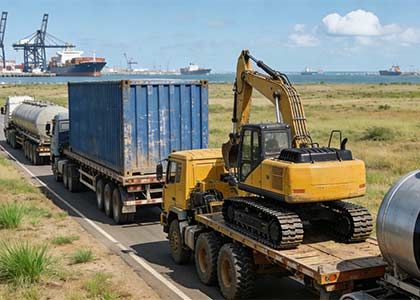
Bulk transportation plays a critical role in Africa’s infrastructure development, mining, energy supply, agriculture, and cross-border trade. Choosing the right semi-trailer type directly impacts transport efficiency, safety, operating cost, and compliance with local road conditions.
This guide explains the three most common bulk transport semi-trailers used in Africa—Flatbed Trailers, Low bed (Lowboy) Trailers, and Fuel Tank Trailers to help fleet owners, contractors, and importers make informed decisions.
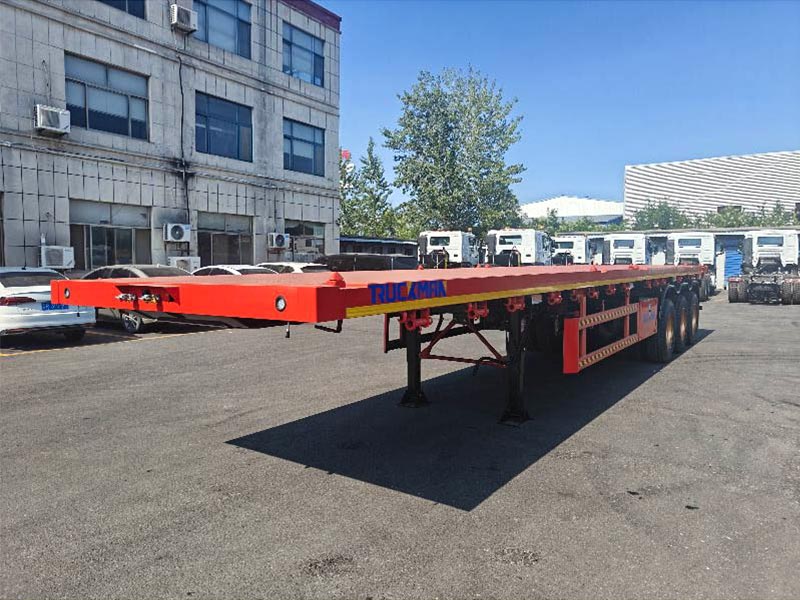
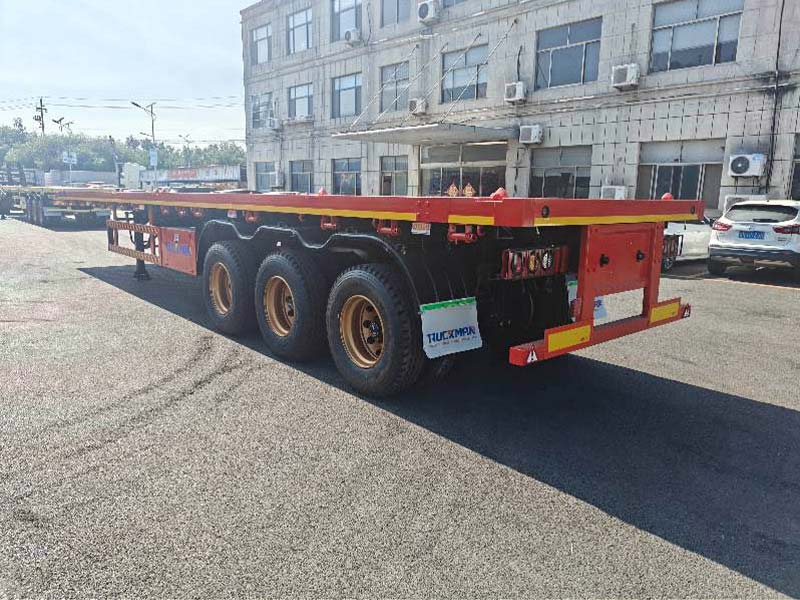
A flatbed trailer is an open-top, platform-style semi-trailer characterized by its lack of sidewalls, railings, or a roof. Constructed with high-tensile steel decking for enhanced durability, it features a rigid frame designed to withstand the rigors of African roads—from paved highways to unpaved rural routes. Its open design is engineered to maximize flexibility, accommodating a wide range of cargo shapes and sizes that would be challenging for enclosed trailers.
 Steel products: Coils, beams, reinforcing bars, and structural steel for construction projects
 Building materials: Cement bags, palletized bricks, precast concrete panels, and roofing materials
Containers: 20ft and 40ft ISO containers (ideal for port-to-warehouse or intermodal logistics)
Heavy-duty goods: Timber logs, steel pipes, industrial machinery, and generators
Agricultural commodities: Bulk-packed grains, fertilizer sacks, and farm equipment
Universal loading accessibility: Enables loading and unloading from the front, rear, and both sides using forklifts, cranes, or overhead gantries—critical for regions with limited specialized handling equipment.
Low total cost of ownership: Simple structural design minimizes maintenance needs, with fewer moving parts and no complex sealing or hydraulic systems prone to wear in harsh conditions.
Road condition adaptability: Reinforced chassis and leaf spring suspension (the most common mechanical suspension option) provide excellent ground clearance (300–400mm) to navigate potholes, uneven terrain, and unpaved roads.
Compatibility with standard equipment: Integrated forklift pockets and multiple tie-down points (typically 8–12 per trailer) allow secure fastening of cargo using load binders, chains, or straps—no specialized attachments required.
Axles: 2-axle (30–40 tons) or 3-axle (45–60 tons) configurations, with heavy-duty axles rated for African axle load limits
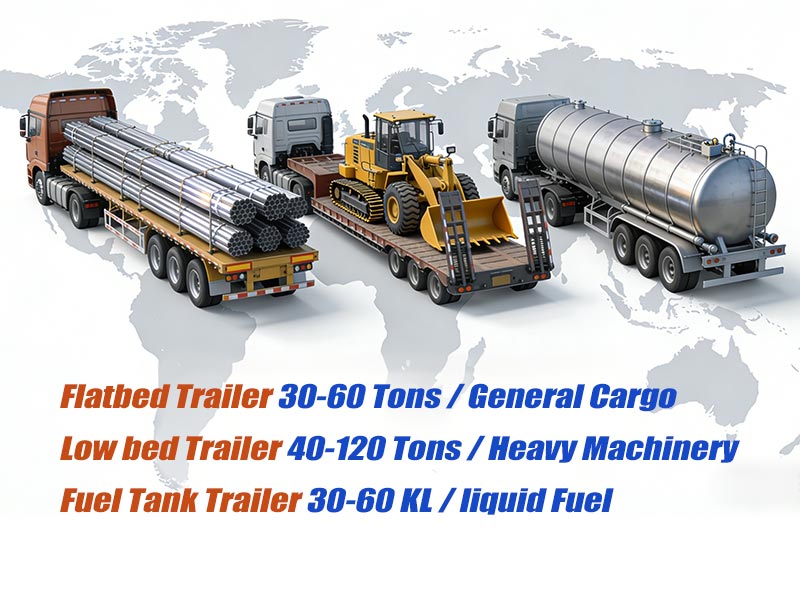
Load capacity: 30–60 tons (varies by axle count and local regulatory restrictions)
Length: 12–14 meters (compliant with most African road length limits)
Suspension: Mechanical leaf spring (standard for rough terrain) or air suspension (for delicate cargo or long-haul paved routes)
Deck material: High-tensile steel (standard) or anti-slip steel grating (optional for improved cargo stability)
Flatbed trailers excel in regional logistics, where cargo types often vary between shipments—from construction materials for urban projects to containers for cross-border trade. They are the backbone of port-to-warehouse operations, efficiently transferring containers to inland distribution centers.
Additionally, they are indispensable for construction projects in remote areas, where access to specialized loading equipment is limited.
For agricultural enterprises, flatbeds reliably transport bulk-packed crops and farm machinery across rural landscapes.
After evaluating these versatile applications, it’s clear that businesses operating in Africa’s dynamic logistics landscape can significantly enhance operational flexibility by investing in a high-quality flatbed semi-trailer for Africa.
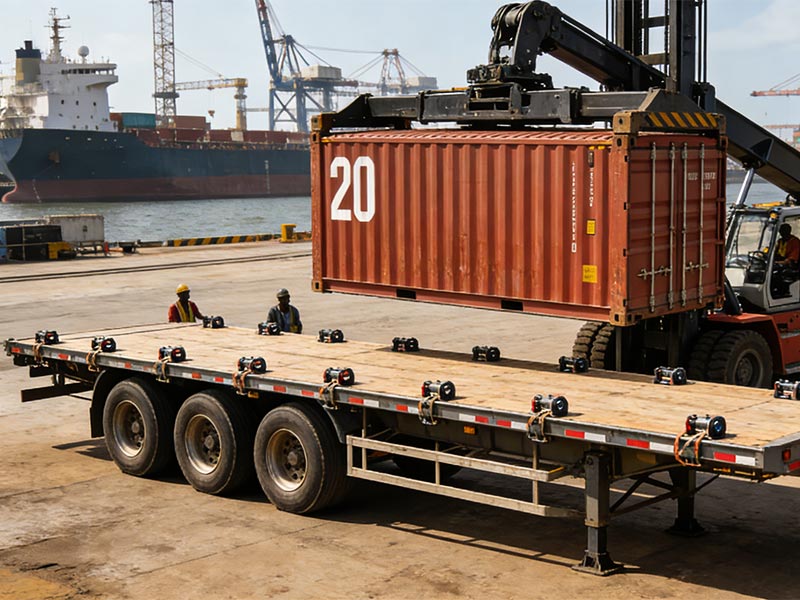
A low bed trailer, also known as a lowboy or low loader, is a specialized heavy-duty semi-trailer designed with a dropped deck configuration. Its defining feature is an extremely low deck height (900–1200mm)—up to 50% lower than standard flatbeds—resulting in a reduced center of gravity. This design is engineered to safely transport oversized, overweight, and tall cargo that exceeds the height or weight limits of conventional trailers, while complying with African road regulations.
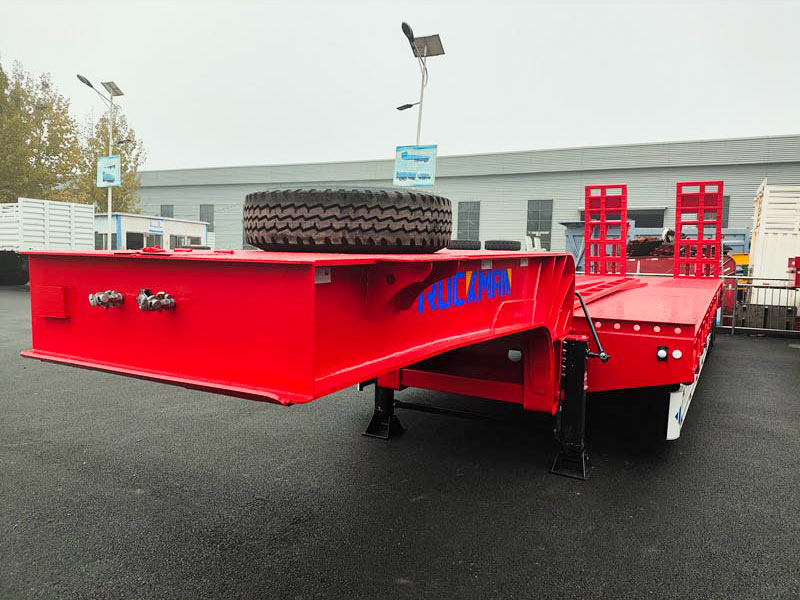
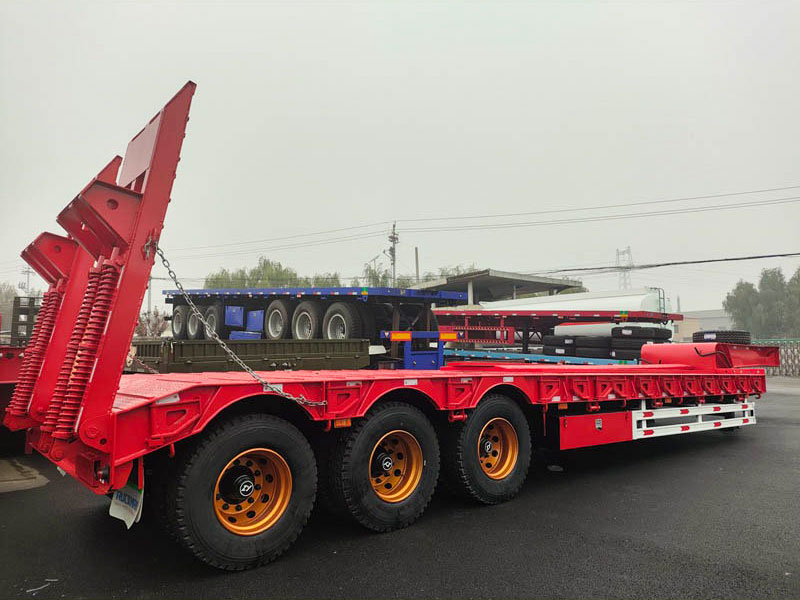
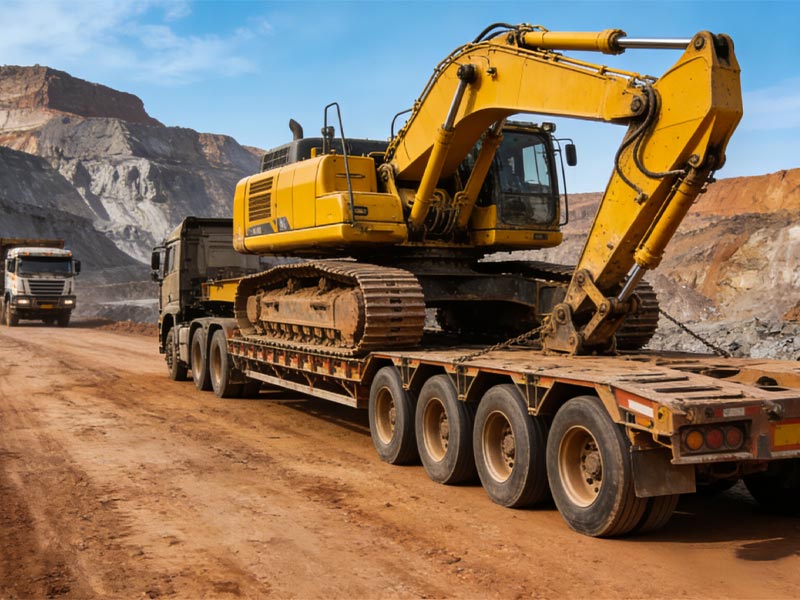
Construction machinery: Excavators (CAT 320, Komatsu PC200), bulldozers, graders, and backhoes
Mining equipment: Mining drills, crushers, conveyor systems, and loaders
Heavy industrial components: Transformers, large generators, turbine parts, and steel fabrication modules
Infrastructure equipment: Road pavers, asphalt mixers, and bridge beams
Superior stability: The low center of gravity minimizes the risk of tipping, even when transporting tall or top-heavy equipment on uneven African terrain.
Height restriction compliance: The low deck height allows transport of cargo up to 4.5–5 meters tall without requiring special permits in most African countries.
Heavy-duty capacity: Reinforced I-beam frames, multi-axle configurations, and high-strength tires enable the trailer to handle extreme payloads.
Flexible loading options: Hydraulic detachable goosenecks (optional) allow the front of the deck to lower to the ground, enabling equipment to drive directly onto the trailer without ramps—ideal for oversized machinery with limited maneuverability.
Axles: 3–6 axles (or more for ultra-heavy loads), with tandem or tri-axle groups for weight distribution
Load capacity: 40–120 tons (custom configurations available for 150+ tons for specialized mining projects)
Deck height: 900–1200mm (fixed or adjustable on some models)
Deck length: 10–18 meters (extendable decks available for extra-long cargo)
Gooseneck: Fixed or hydraulic detachable (hydraulic option recommended for heavy machinery loading)
Low bed trailers are irreplaceable in mining and quarry projects, where transporting heavy extraction equipment to remote sites is a daily requirement.
They are also critical for infrastructure and road construction, moving pavers, graders, and bulldozers to project locations across rough terrain.
In the oil & gas sector, low beds transport large generators, transformers, and drilling equipment to offshore platforms and onshore fields.
Whether navigating mountainous mining regions or unpaved construction sites, the low bed trailer’s robust design ensures reliability in Africa’s most demanding environments. For businesses involved in extracting or processing minerals, investing in a high-performance low bed trailer for mining equipment is essential to maintaining project timelines and operational safety.
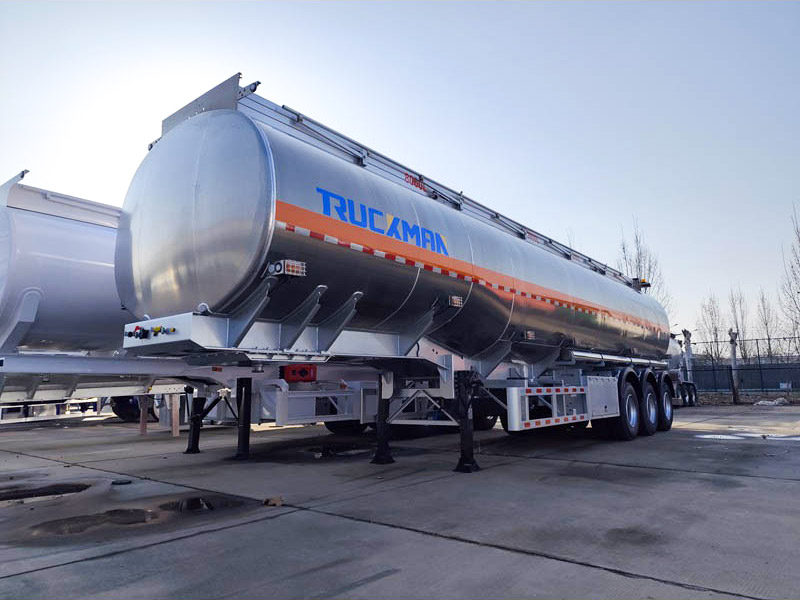
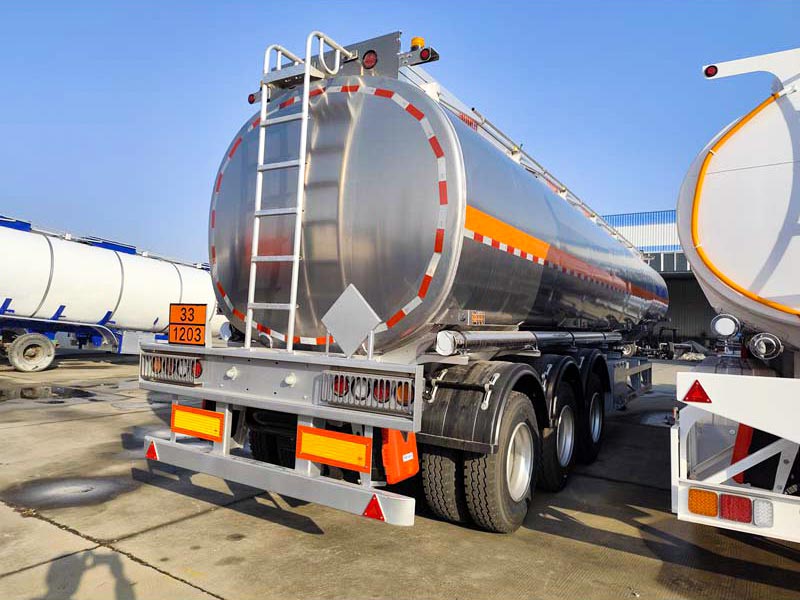
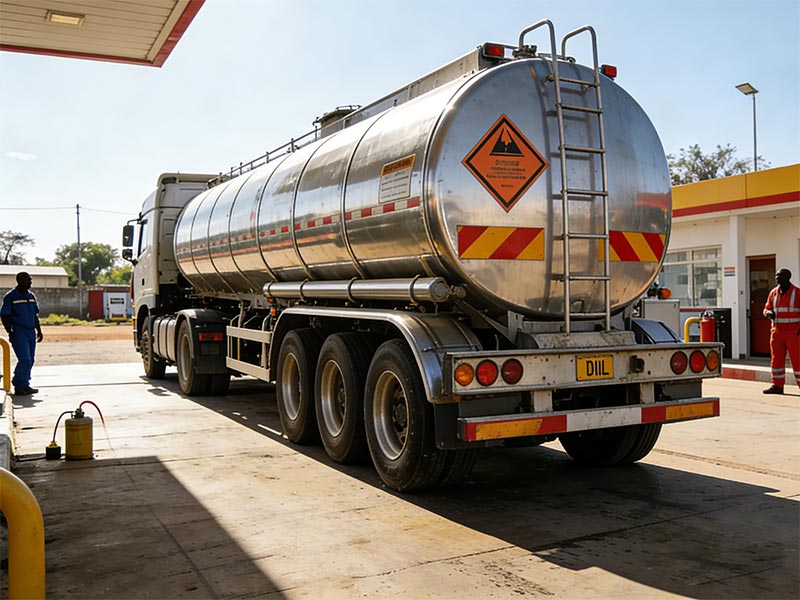
A fuel tank trailer is a specialized semi-trailer with a sealed cylindrical tank structure, engineered exclusively for the safe transport of liquid bulk cargo.
Designed to meet strict hazardous materials (HAZMAT) regulations, it incorporates features that prevent leaks, minimize liquid movement, and resist corrosion—critical for Africa’s varied climates and long-distance transport needs.
The tank’s construction and materials are tailored to the type of liquid being transported, ensuring compatibility and safety. Used for transporting diesel, petrol, crude oil, aviation fuel, or chemicals over long distances.
Automotive fuels: Diesel (the commonly transported fuel), petrol (gasoline), and ethanol-blended fuels
Industrial fuels: Crude oil, heavy fuel oil, and diesel for generators
Aviation fuel: Jet A-1 for regional airports and airfields
Industrial chemicals: Lubricating oils, diesel exhaust fluid (DEF), and non-corrosive chemical solvents
Enhanced safety features: Internal anti-slosh baffles divide the tank into compartments, minimizing liquid movement (sloshing) during transit—reducing rollover risk and improving stability on winding African roads.
Corrosion resistance: Tanks are constructed from materials such as aluminum (lightweight, fuel-efficient), carbon steel (cost-effective for non-corrosive fuels), or stainless steel (ideal for corrosive chemicals or coastal regions with high salt exposure).
Regulatory compliance: Meets African Union (AU) and ADR (Agreement Concerning the International Carriage of Dangerous Goods by Road) standards for cross-border hazardous cargo transport, including emergency shut-off valves and pressure relief valves.
Versatile storage options: multi-compartment designs (2–5 compartments) allow simultaneous transport of different fuels or chemicals, optimizing load efficiency for mixed deliveries.
Capacity: 30,000–60,000 liters (30–60 KL) per trailer, with custom capacities available for large-scale energy projects
Compartments: Single-compartment (for bulk single-fuel transport) or multi-compartment (for mixed loads)
Material: Aluminum (most popular for diesel/petrol), carbon steel (heavy fuels), or stainless steel (chemicals)
Axles: 2–3 axles with heavy-duty suspension to handle the weight of liquid cargo
Safety features: Emergency shut-off valves, pressure relief valves, anti-static grounding cables, and spill containment kits
Fuel tank trailers are vital for supplying diesel and petrol to remote areas, including rural communities, mining sites, and construction projects with limited access to local fuel stations.
They play a central role in oil & gas logistics, transporting crude oil from fields to refineries and refined fuels from refineries to distribution hubs.
Cross-border fuel transport—between countries with surplus fuel and those with shortages—also relies heavily on fuel tank trailers, thanks to their compliance with international hazardous goods regulations.
For businesses operating in Africa’s energy sector, partnering with a reputable fuel tank semi-trailer supplier ensures access to equipment that meets safety standards, withstands harsh conditions, and supports seamless liquid bulk transport across the continent.
JINANTRUCKMAN AUTOMOBILE CO., LTD was founded in 2018, it is dedicated to the R&D, production and sales of various semi-trailers and full trailers, and is your trusted first-choice partner.
| Trailer Type | Main Cargo | Load Capacity | Key Advantage | Typical Industries |
| Flatbed | General cargo, containers, construction materials, agricultural goods | 30–60 tons | Versatility, easy loading/unloading, low maintenance | Construction, logistics, agriculture, port operations |
| Low bed | Oversized/overweight machinery, industrial components | 40–120 tons (up to 150+ tons custom) | Low center of gravity, height compliance, heavy-duty capacity | Mining, infrastructure, oil & gas, heavy industry |
| Fuel Tank | Liquid fuels, industrial chemicals | 30–60 KL (30,000–60,000 liters) | Safety, corrosion resistance, regulatory compliance | Energy, oil & gas, chemical transport, fuel distribution |
Selecting the optimal bulk transport semi-trailer for African operations requires a holistic assessment of local conditions and operational needs:
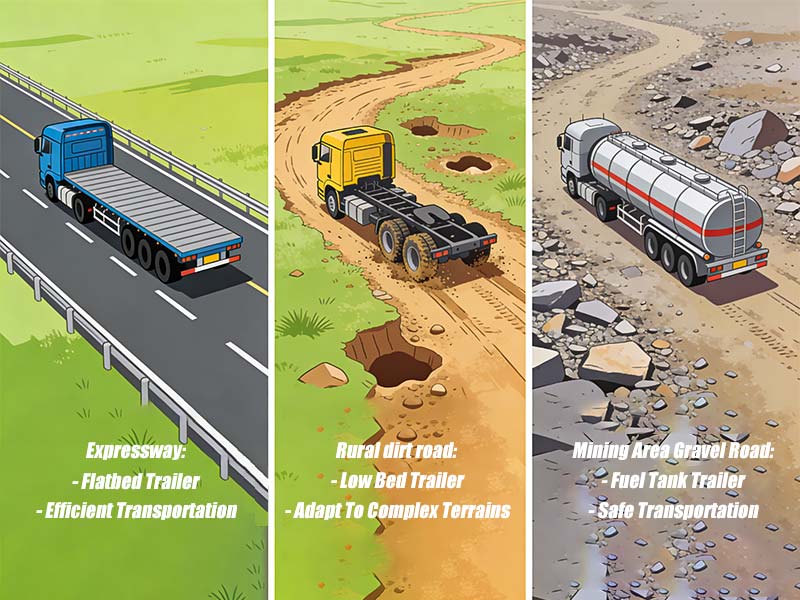
Road Conditions: Most African regions feature a mix of paved highways, unpaved rural roads, and construction-site tracks. Prioritize trailers with reinforced chassis, leaf spring suspension (for rough terrain), and high ground clearance to avoid damage from potholes or debris.
Cargo Type & Weight: For mixed, general cargo or containers, flatbeds are ideal. For oversized/overweight machinery (e.g., excavators, mining drills), low beds are non-negotiable. For liquid fuels or chemicals, fuel tank trailers with appropriate material and compartment configurations are mandatory.
Regulatory Compliance: Verify local axle load limits (varies by country—e.g., 10 tons per axle in Nigeria, 12 tons in South Africa) and hazardous goods regulations (ADR compliance for fuel transport). Non-compliant trailers risk fines or impoundment.
Climate & Terrain: Coastal regions require corrosion-resistant materials (stainless steel, aluminum) to combat salt spray. Arid regions demand dust-proof components, while mountainous areas benefit from trailers with superior braking systems and stability features.
After-Sales Support: Ensure access to spare parts (e.g., axles, suspension components, tank seals) and local service providers. Delays in maintenance can disrupt operations in remote African regions.
Total Cost of Ownership: Beyond upfront price, consider fuel efficiency (e.g., aluminum fuel tanks are lighter, reducing fuel consumption), maintenance frequency, and resale value.
Flatbed, low bed, and fuel tank semi-trailers are the backbone of Africa’s bulk transport infrastructure, each addressing unique logistical challenges. Flatbeds offer unmatched versatility for general cargo, low beds enable the transport of heavy machinery critical to mining and construction, and fuel tank trailers ensure the safe delivery of liquid energy and chemicals that power industries and communities.
For businesses operating in Africa, the key to successful trailer selection lies in balancing durability, adaptability, and cost-efficiency. A trailer that performs well in Europe or Asia may not withstand Africa’s harsh roads, variable climates, or regulatory landscape—so prioritizing region-specific specifications is essential. By aligning trailer features with cargo needs, road conditions, and local regulations, logistics companies and project contractors can reduce downtime, lower operational costs, and enhance overall transport safety.
Flatbed semi-trailers are the most widely used in Africa due to their versatility, simple structure, and suitability for mixed cargo such as construction materials, containers, and palletized goods. They are especially popular in regions with variable road conditions.
A low bed trailer should be selected when transporting heavy, oversized, or tall equipment such as excavators, bulldozers, transformers, or mining machinery. The lower deck height improves stability and helps comply with height restrictions on African roads.
Yes. Fuel tank semi-trailers are specifically engineered for long-distance bulk liquid transport. Features such as internal baffles, reinforced tank bodies, and anti-corrosion materials enhance safety and stability, even on uneven or unpaved roads.
African road conditions often require trailers with reinforced chassis, mechanical suspension, stronger axles, and durable tires. Choosing specifications designed for local conditions helps reduce maintenance costs and extend service life.
Flatbed trailers are the most flexible and can serve construction, agriculture, and general logistics. Low bed and fuel tank trailers, however, are more specialized and should be dedicated to heavy equipment or liquid bulk transport respectively.
 Need the Right Semi-Trailer for Your African Project?
Every transport project in Africa has unique requirements—from road conditions and axle load limits to cargo type and operating environment.
If you are planning to source flatbed trailers, low bed trailers, or fuel tank semi-trailers for construction, mining, or bulk logistics, getting the right specification is more important than choosing the lowest price.
Our team can help you:
Select the most suitable trailer type for your cargo
Match specifications to African road and regulatory conditions
Optimize load capacity, durability, and operating cost
Provide technical details before you make a purchase decision
 Contact us for technical advice or a project-based recommendation.
No obligation — just practical guidance based on real African transport scenarios.

Our Target: Make Customers Satisfied.
Our Wishes: To Be World Class Enterprise.
Our Responsibility: Help Customer Achieve Biggest Value, Make Colleague Biggest Dream Come True.