RUCKMAN CONTAINER TRANSPORT SOLUTIONS
Container transport requires the right equipment for different cargo types, transportation methods, and operating conditions. From port handling and cross-border road transport to long-distance inland delivery, choosing the right semi-trailer is essential for safe and efficient operations.
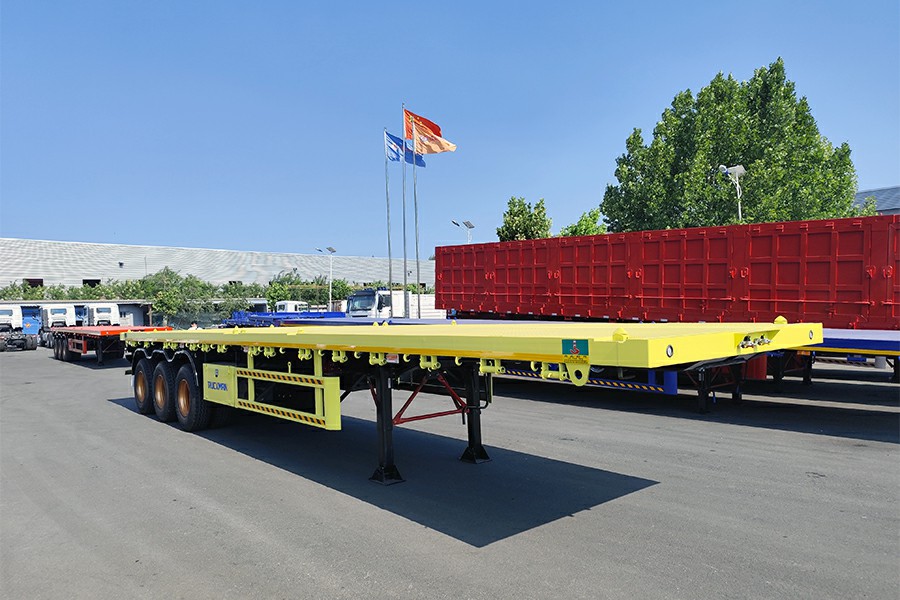
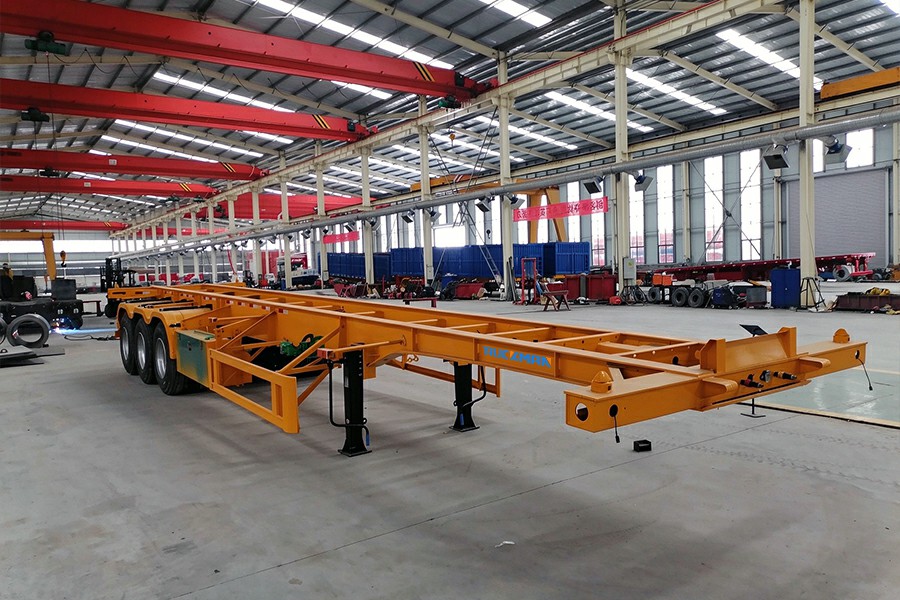
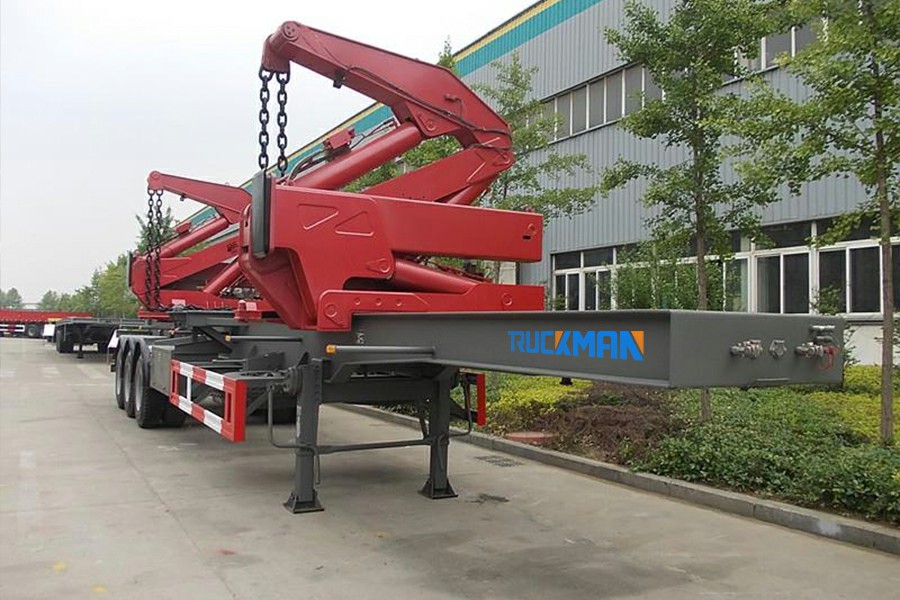
RUCKMAN offers flatbed semi-trailers, skeleton semi-trailers, and container side-loaders to meet different container transportation requirements.
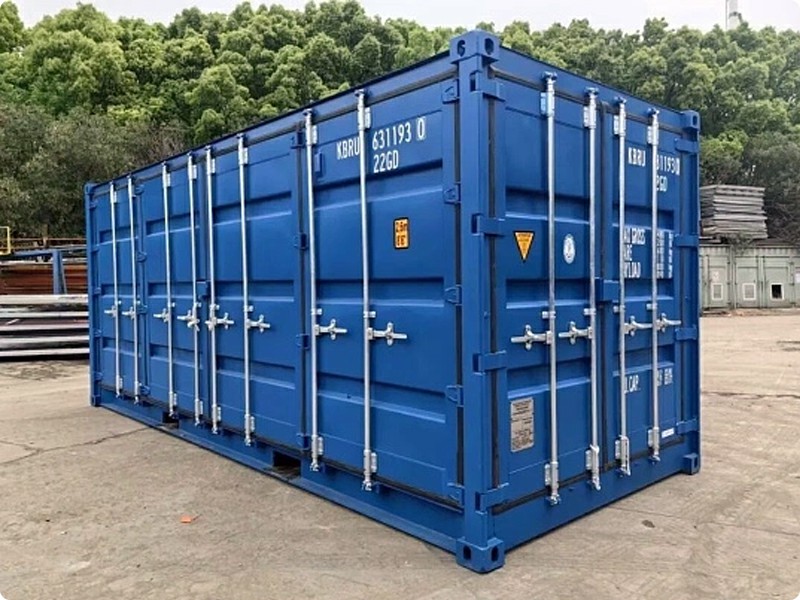
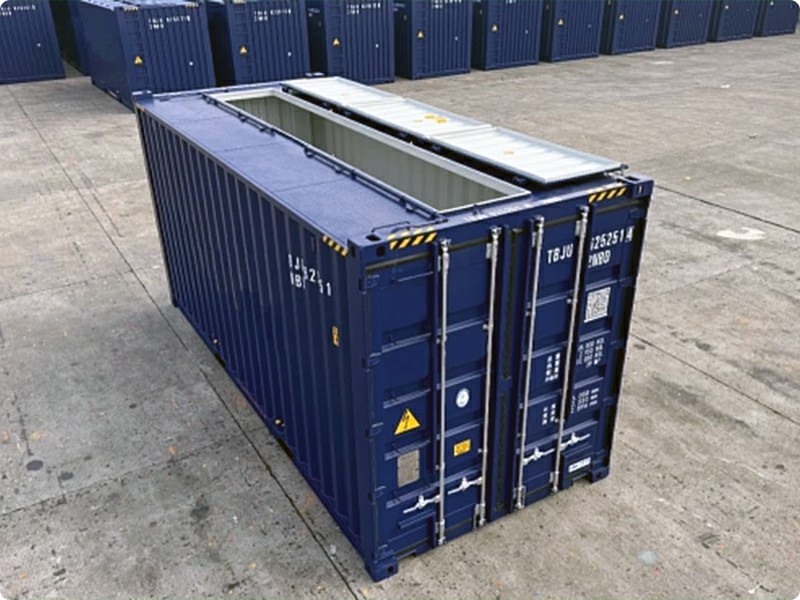
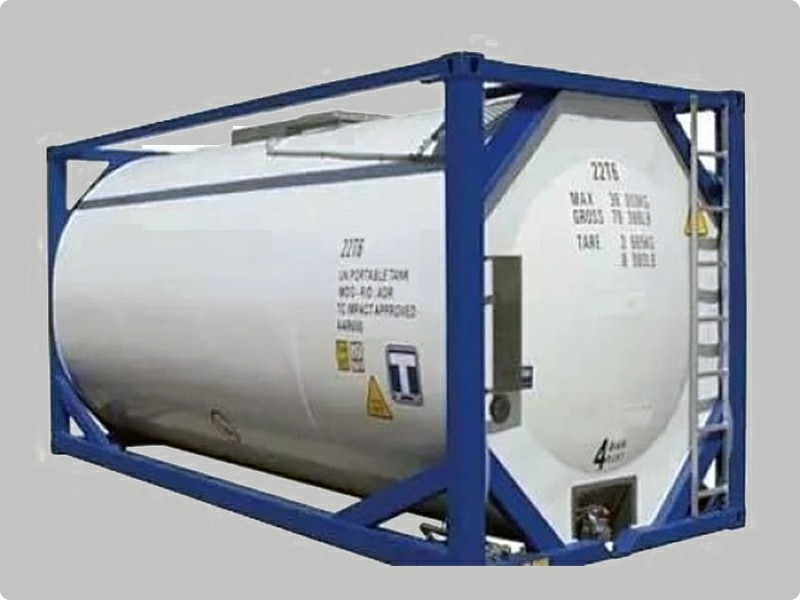
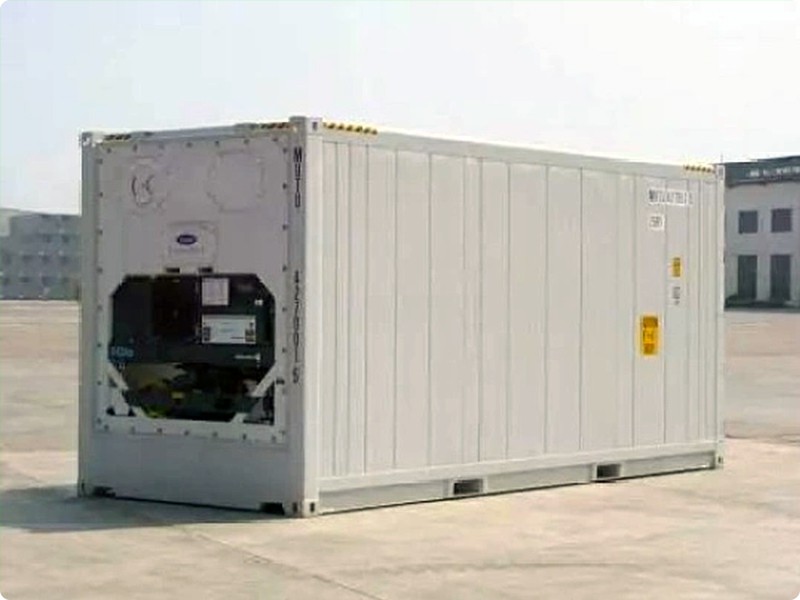
COMMON CONTAINER TYPES
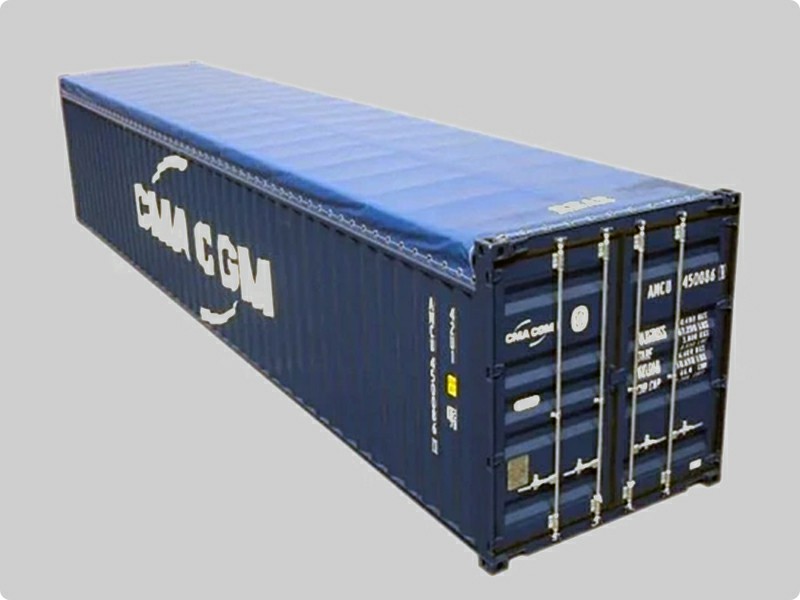
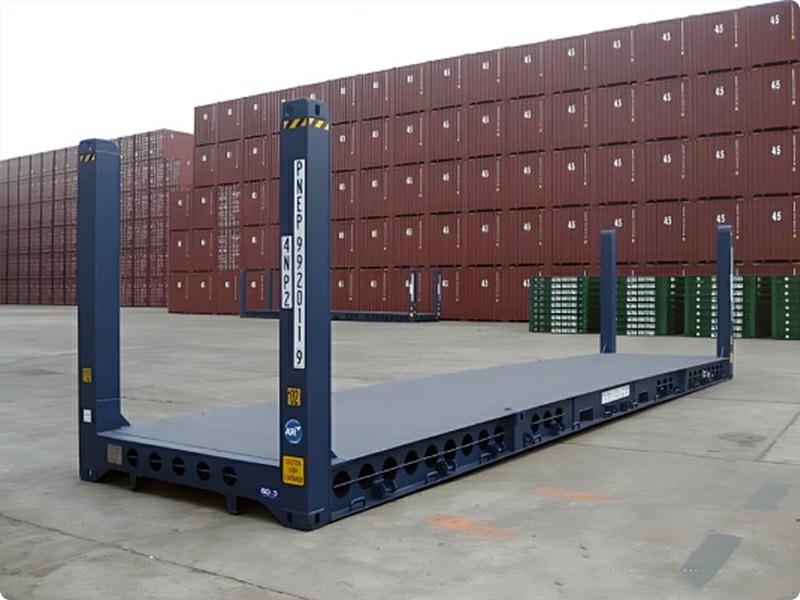
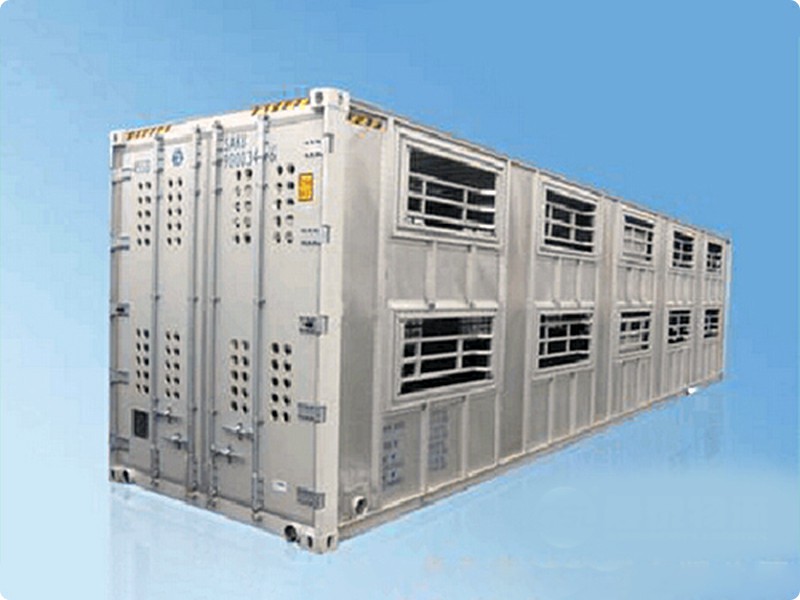
Shipping containers are designed for different cargo types and loading requirements. Understanding their structures and applications helps determine the right transportation equipment.
CONTAINER TRANSPORT METHODS
Containerized cargo moves through different transportation networks. Each method involves specific operating environments and handling conditions that should be considered when planning the transportation process.
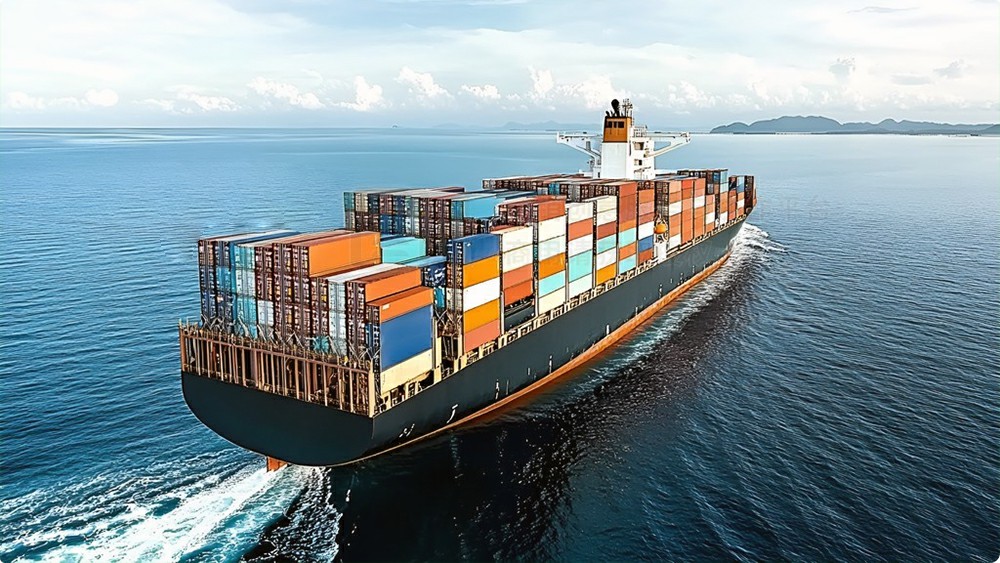
Maritime transport is widely used for international container shipping over long distances.
OPERATING CONDITIONS
High humidity and salt spray can create corrosion risks. Containers on deck are exposed to sunlight, rain, and seawater. Long transportation periods may involve continuous vibration and hot, humid conditions.
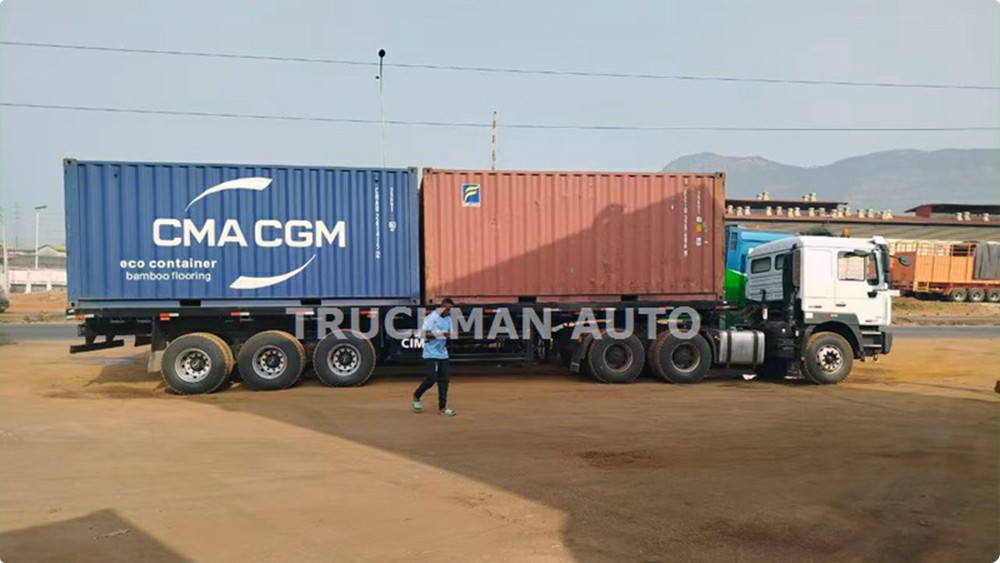
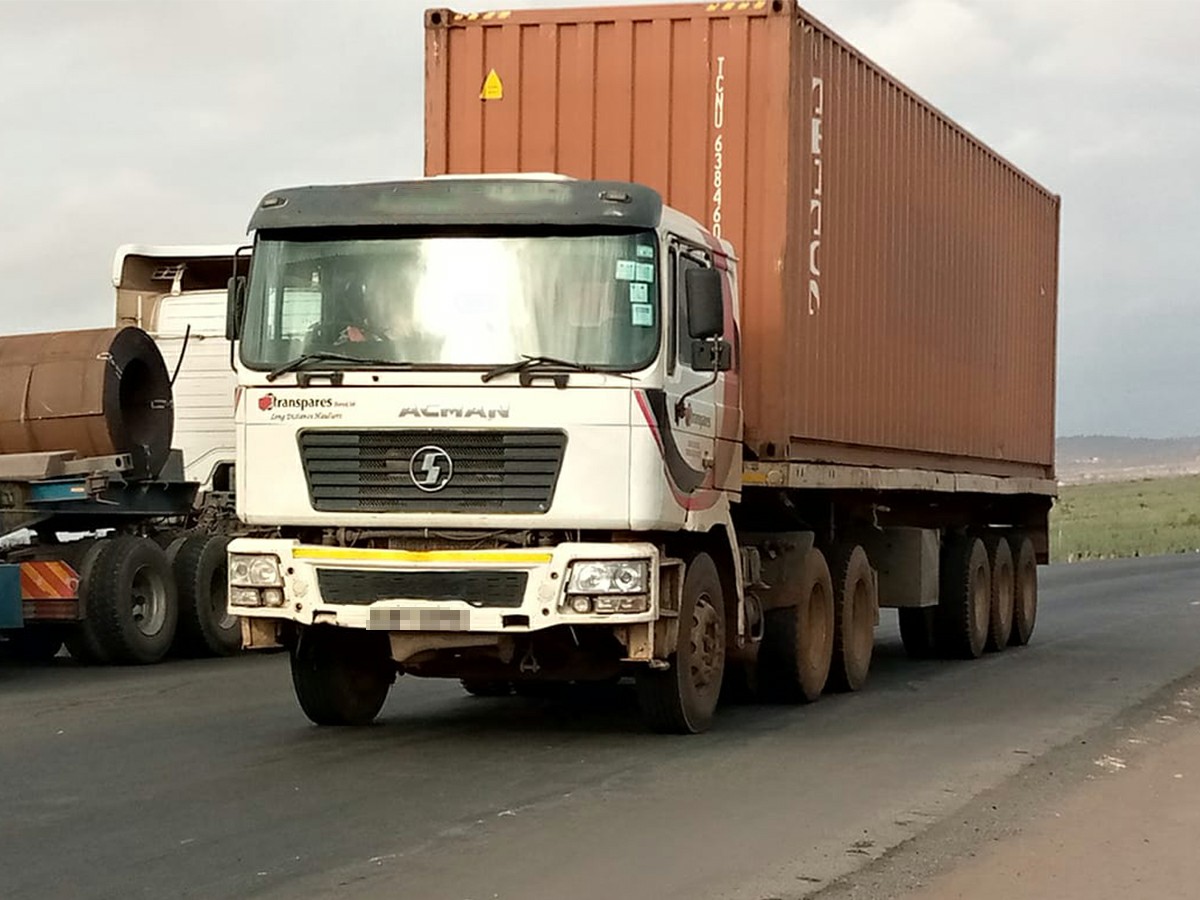
Road transport connects ports, container yards, factories, logistics centers, and inland destinations. It is also essential for port clearance and cross-border container delivery.
OPERATING CONDITIONS
Exposure to sunlight, rain, dust, and changing road conditions. Containers are secured to the chassis through twist-lock systems. Potholes, uneven roads, and rough terrain place additional demands on the trailer frame and running gear.
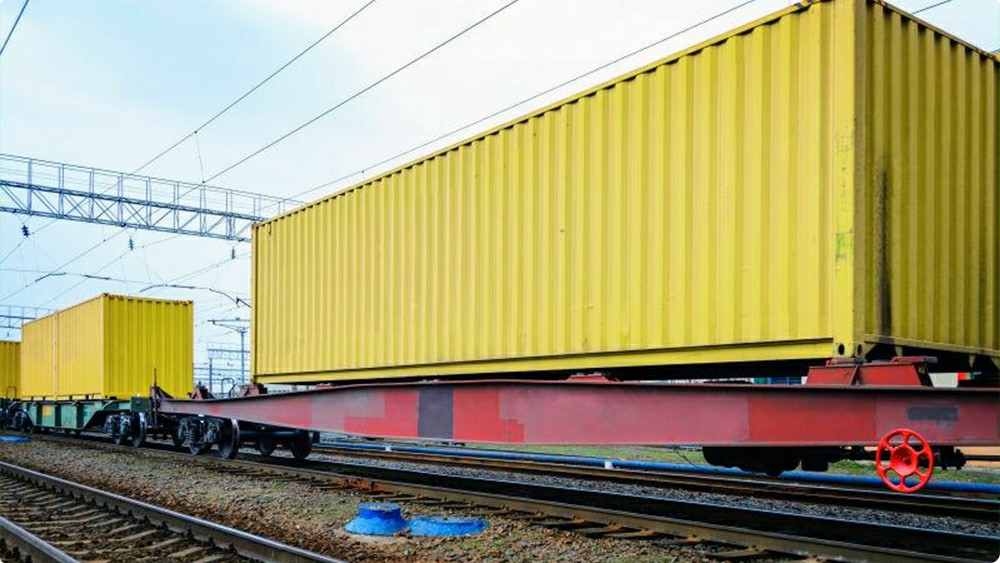
Railway transport is suitable for long-distance container transportation, bulk freight, cross-border freight trains, and rail-water intermodal operations.
OPERATING CONDITIONS
Large temperature differences between day and night, dust and sand, and low-temperature environments. Vibration is relatively stable during normal railway transportation, with impacts possible during coupling and handling operations.
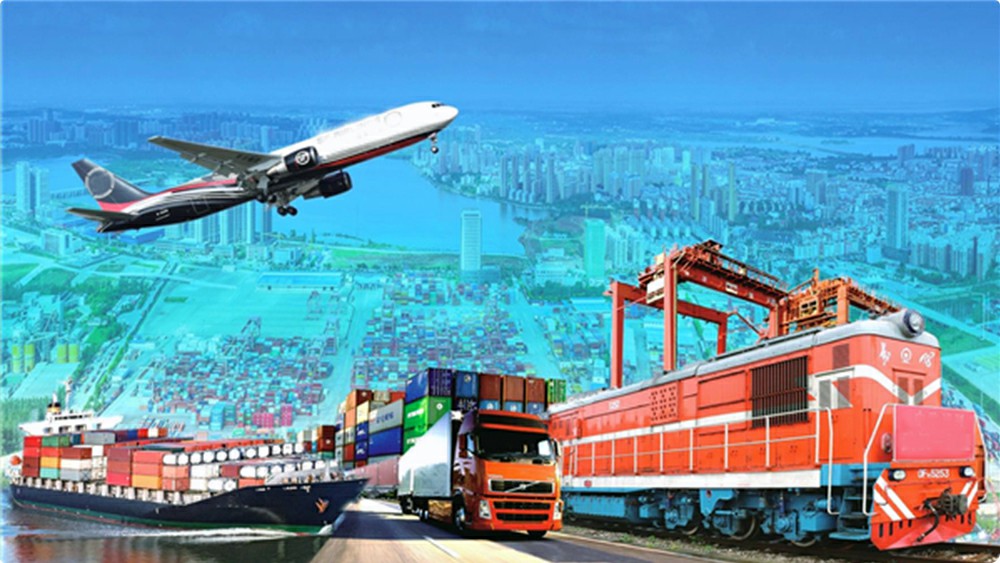
Multimodal transport combines different transportation methods to move containers between international and inland destinations.
TYPICAL PROCESS & CONDITIONS
Road Transport → Port Handling → Sea Freight → Port Handling → Railway Transport → Final Road Delivery. Multiple handling operations and changes in transportation environments expose containers and related equipment to lifting impacts, wave-induced movement, salt spray, railway coupling impacts, road vibration, and repeated temperature and humidity changes.
TRAILER SELECTION
Different container transportation operations require different trailer structures. The right choice depends mainly on the cargo type, transportation frequency, and loading and unloading facilities at both ends.
TRAILER DESIGN & CONFIGURATION
Choosing a suitable container semi-trailer requires more than selecting a trailer type. Cargo weight, road conditions, tractor compatibility, running gear, and local maintenance capabilities should all be considered.
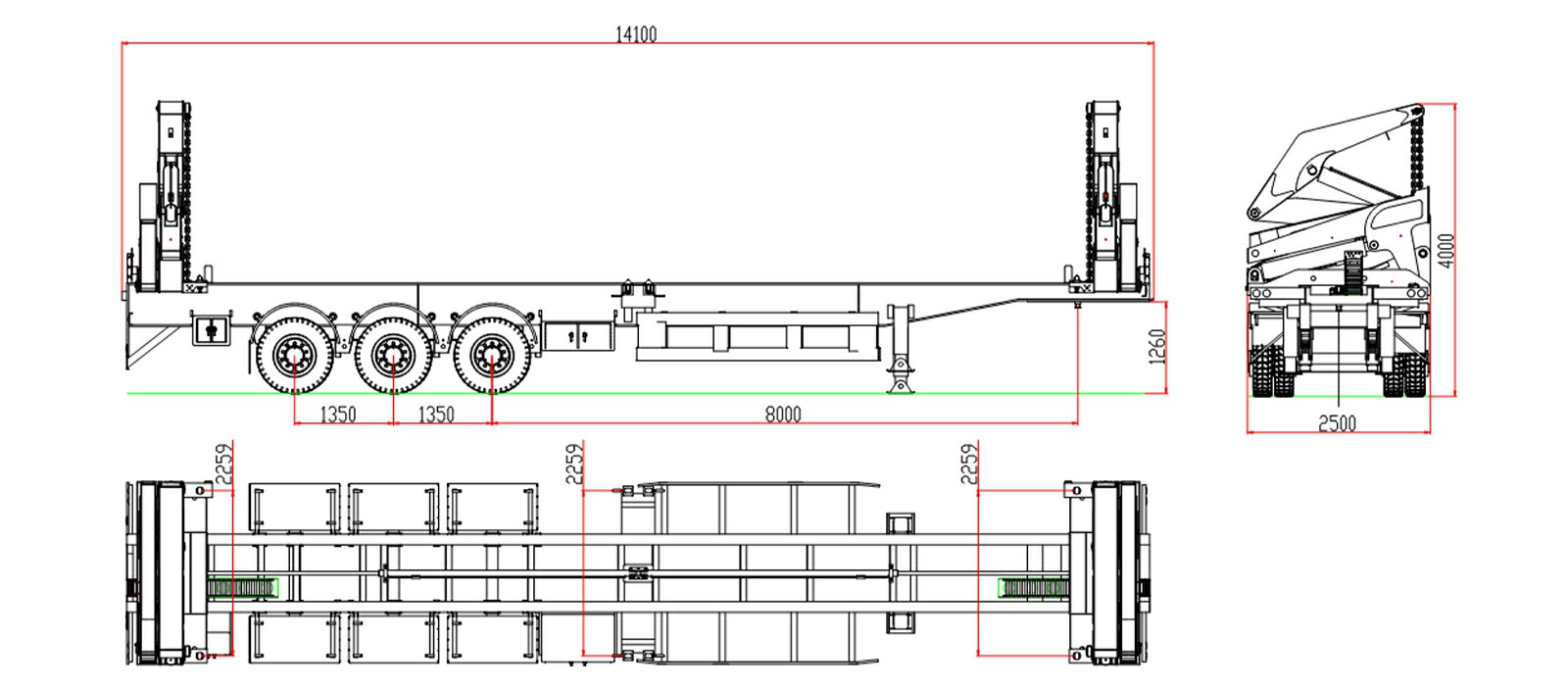
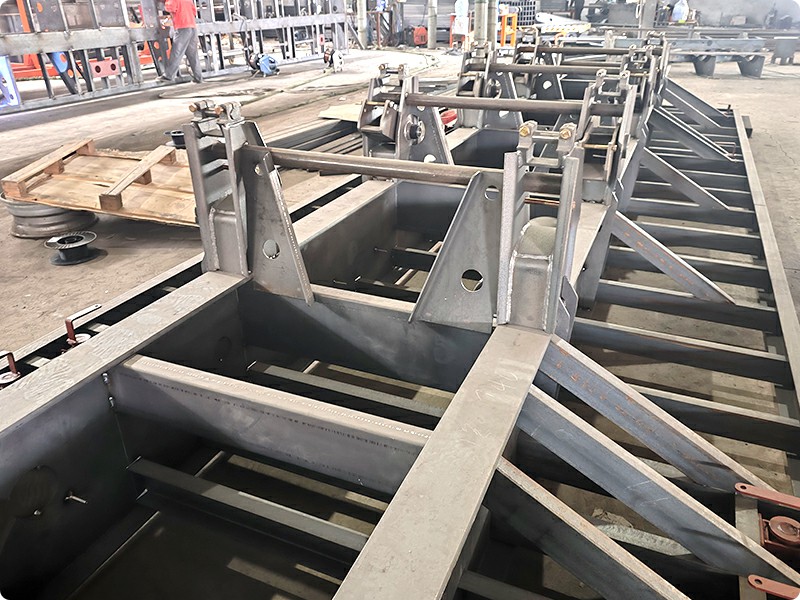
Start by identifying the cargo type and loading requirements. Trailer frame design and steel plate thickness should match the intended payload and road conditions. Consider trailer tare weight, cargo weight, tractor weight, total combination weight, and local axle-load limits. Heavy loads, potholes, uneven terrain, and muddy roads may require a stronger frame structure.
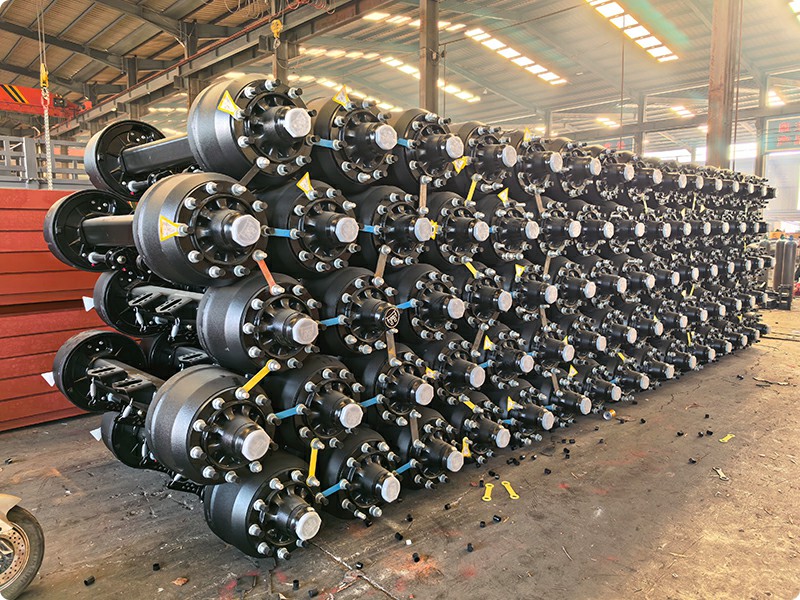
The axle rating, axle arrangement, and suspension system should match the intended load and operating environment. Mechanical leaf spring suspension offers a relatively simple structure and convenient maintenance. Air suspension can also be considered for suitable applications.
AXLE BRANDS: FUWA / ZY / BPW
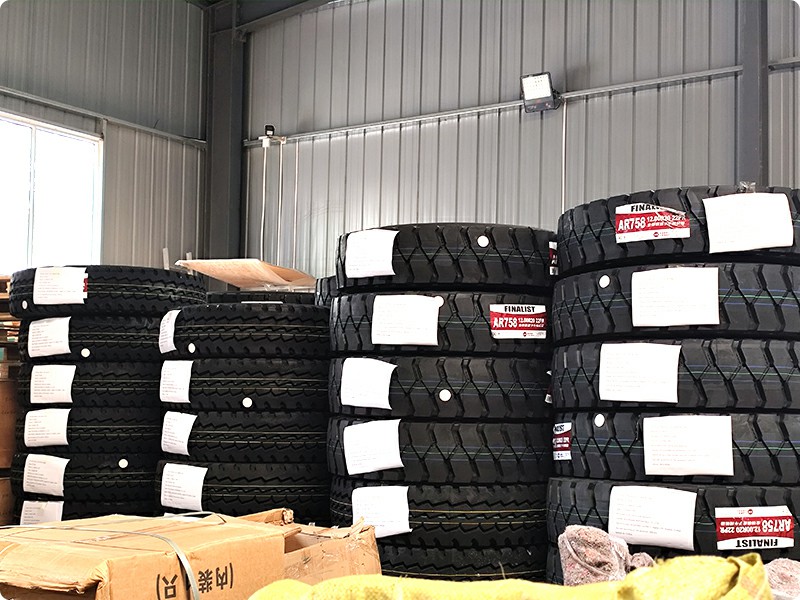
Tyre selection should take into account load requirements, road conditions, and local weight restrictions. The braking system should be selected according to the trailer specification and destination-market requirements.
TYRES: TRIANGLE / CHENGSHAN
BRAKING: WABCO
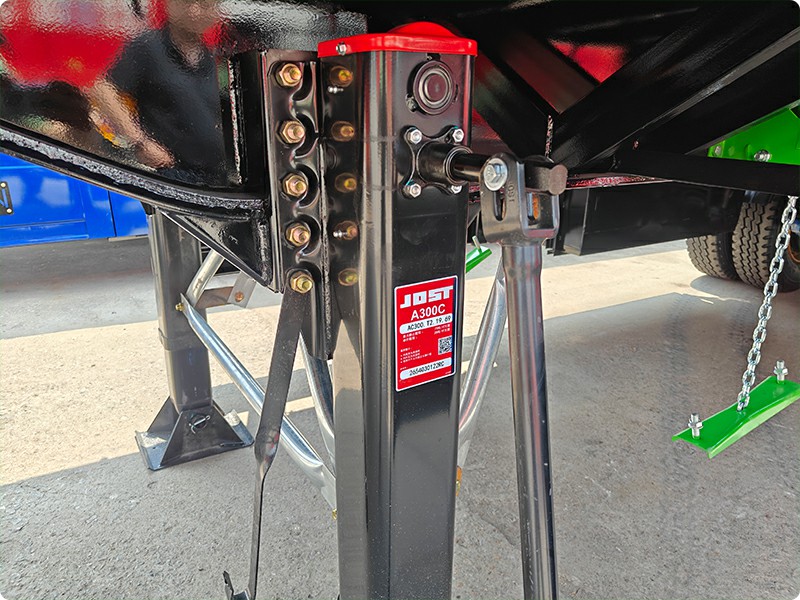
The kingpin, fifth-wheel height, and landing gear must be compatible with the tractor unit and intended operating conditions. Confirm the coupling requirements before finalizing the trailer specification. The availability of replacement parts in the destination market should also be considered to make maintenance easier.
KINGPIN: JOST
LANDING GEAR: JOST / FUWA
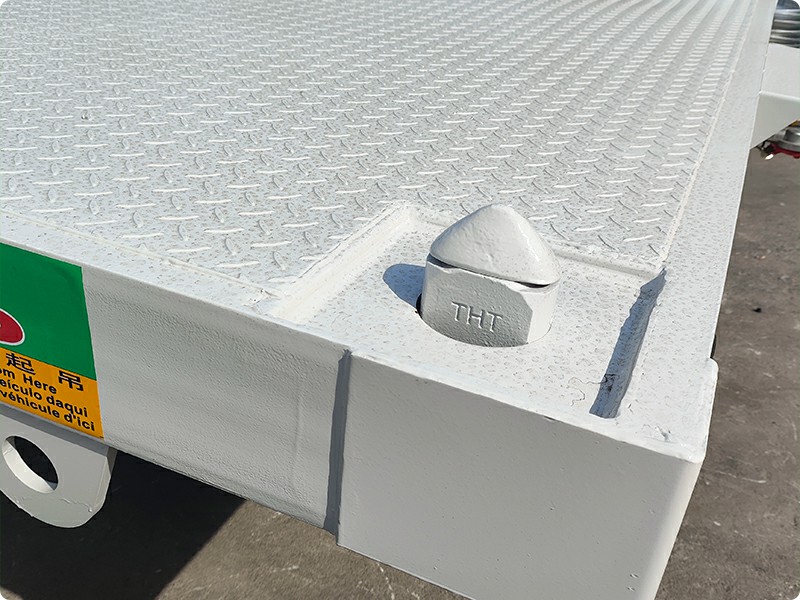
The twist-lock arrangement should match the required container positions. Depending on the trailer design, 12 twist locks can provide positions for one 40-ft/45-ft container or two 20-ft containers.
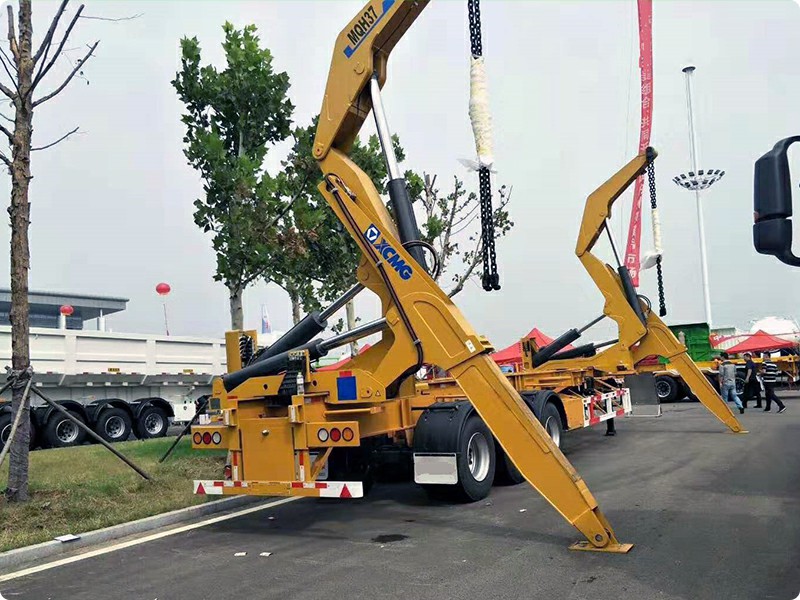
Consider the equipment available at the loading and unloading locations. When external lifting equipment is unavailable, a side-loader provides an alternative through its integrated hydraulic lifting system. One example in the RUCKMAN reference configuration is the XCMG MQH37A side lifter.
SIDE LIFTER EXAMPLE: XCMG MQH37A
Explore component specifications, brands, and available options in our trailer components section.
CONTAINER TRANSPORT PROJECTS
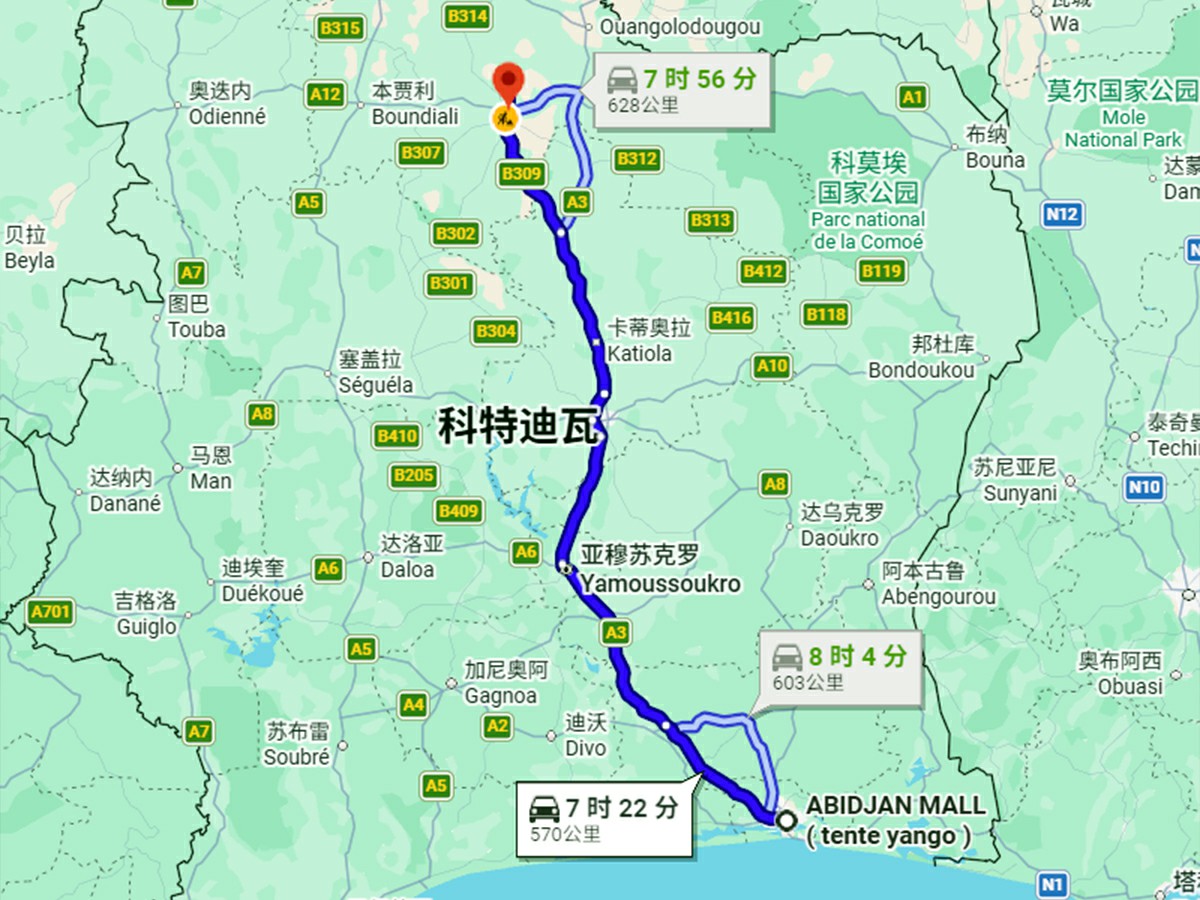
RUCKMAN semi-trailers are designed for different container transportation requirements, from port transfers to inland delivery. The following projects illustrate how different trailer structures and configurations address practical transportation challenges.
COMMON QUESTIONS
Find answers to common questions before selecting a trailer for your container transportation requirements.
LET’S DISCUSS YOUR TRANSPORT NEEDS
Every container transportation operation has different requirements. RUCKMAN can help you select a suitable semi-trailer type and configuration according to your cargo, operating conditions, and transportation route.
Tell us about your transportation requirements and let us recommend a suitable solution.

Our Target: Make Customers Satisfied.
Our Wishes: To Be World Class Enterprise.
Our Responsibility: Help Customer Achieve Biggest Value, Make Colleague Biggest Dream Come True.