RUCKMAN GENERAL CARGO SOLUTIONS
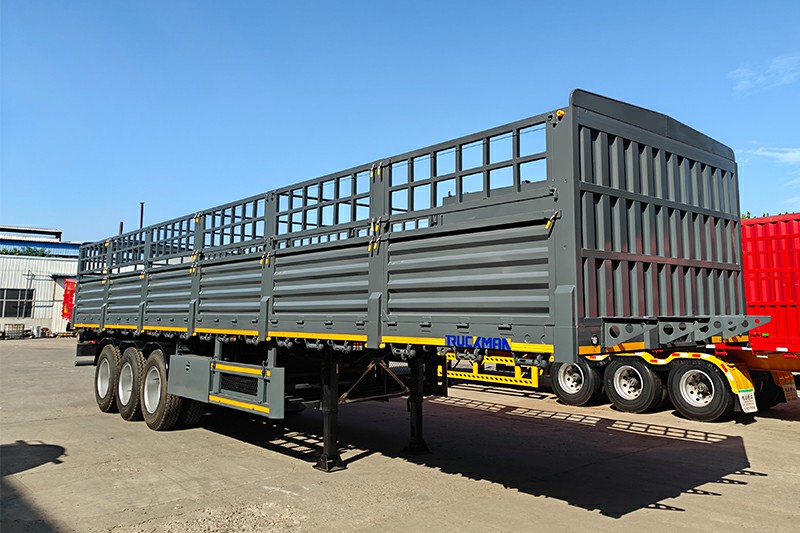
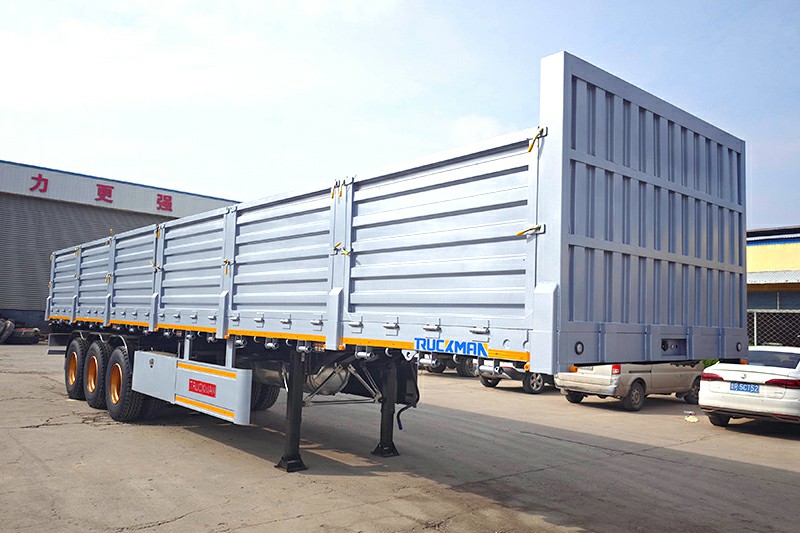
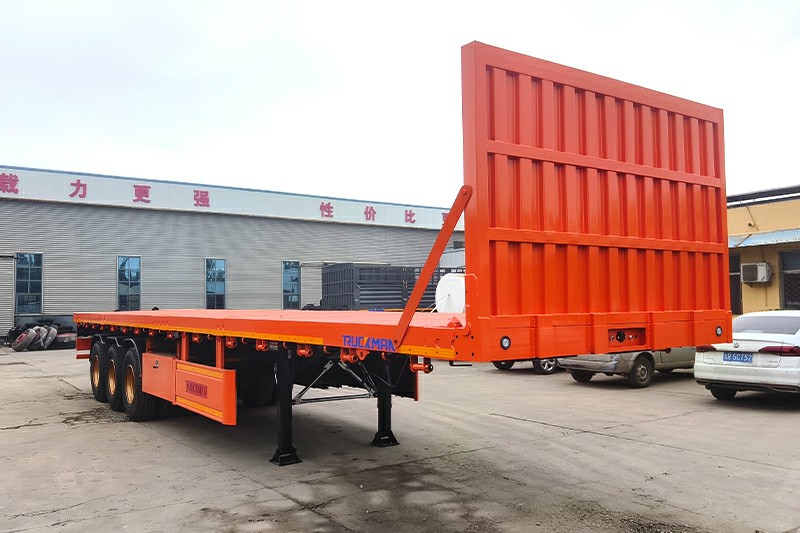
Find a suitable semi trailer for steel products, building materials, bagged goods, agricultural produce and general commercial freight. Start with your cargo and operating conditions, then compare the trailer types that fit your requirements.
COMMON CARGO TYPES
Different goods require different loading methods, cargo protection and trailer structures.
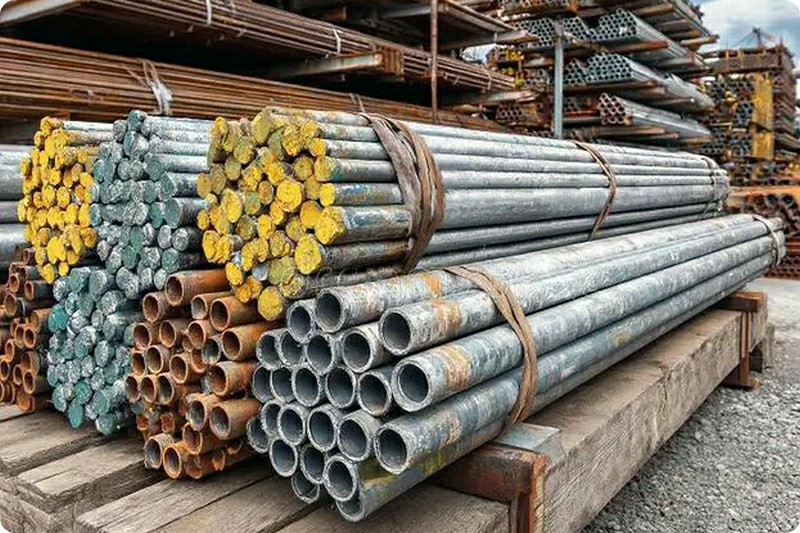
Steel bars, steel sections, pipes, precast components and other construction supplies that need suitable load support and securement.
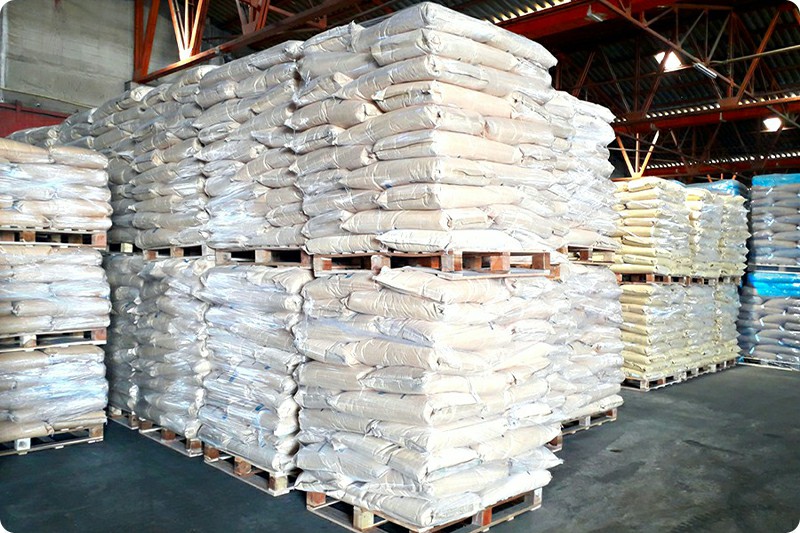
Bagged cement, fertilizers and packaged commodities transported between warehouses, distribution centers and commercial customers.
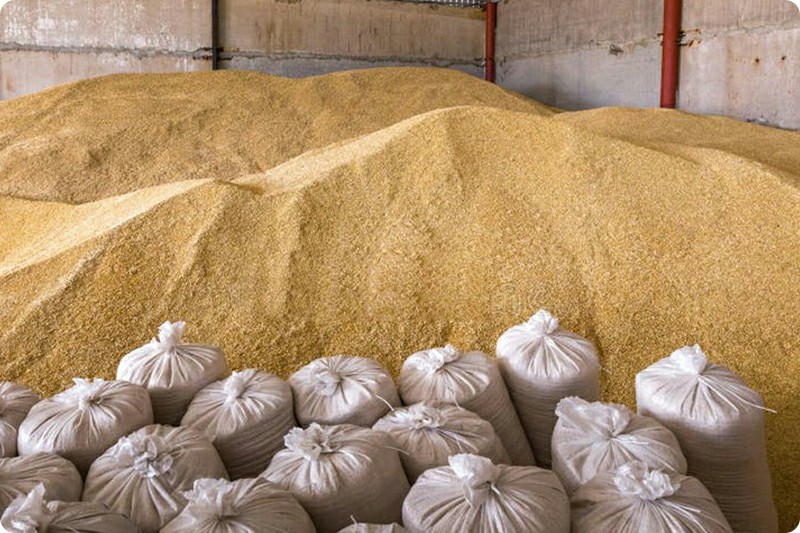
Maize, sorghum, wheat, soybeans, peanuts, cotton and suitable bagged agricultural products, including seasonal loads.
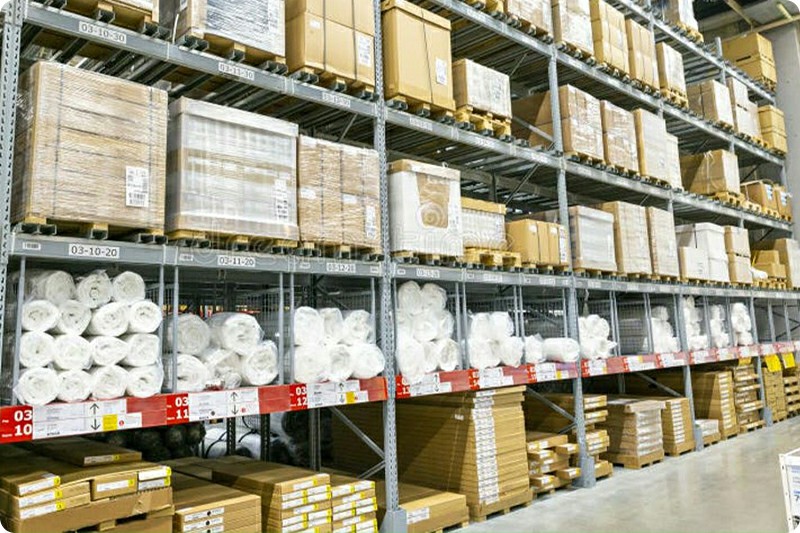
Cartons, plastic products, daily necessities and other bulky or lightweight goods that benefit from flexible loading space.
TRAILER SELECTION
Compare three practical trailer types for different general cargo requirements.
OPERATING SCENARIOS
Your routes, loading methods and working conditions are as important as the cargo itself.

For deliveries between warehouses, wholesale markets, distribution centers and business customers. Consider loading frequency, cargo flexibility and return-trip requirements.

For long routes with varied road surfaces and weather conditions. Consider chassis construction, axles, suspension, tires, brakes and maintenance access.

For concentrated harvest-period movements between collection points, storage facilities and markets. Consider cargo volume, loading access and weather protection.

For repeated deliveries of steel products, pipes and packaged project supplies. Match the trailer to the cargo, loading method, road conditions and legal payload requirements.
The right trailer is the one that matches your cargo, loading method, route and operating requirements—not simply the one with the highest advertised capacity.
CONFIGURATION OPTIONS
Choose a configuration that balances operating requirements, component specifications and budget.
For General Transportation
BEST FOR
A practical starting point for general cargo ops with defined loads and routine conditions.
CONFIGURATION FOCUS
RUCKMAN RECOMMENDED
For Commercial & Long-Term Operation
BEST FOR
Regular long-distance freight, cross-border routes and frequent loading cycles.
CONFIGURATION FOCUS
For More Demanding Applications
BEST FOR
Demanding operating schedules or customers requiring higher-level specifications.
CONFIGURATION FOCUS
Configuration note: STANDARD, UPGRADED and PREMIUM are configuration levels, not universal technical specifications. Actual components, dimensions and available options depend on the trailer model and order requirements.
WORK WITH RUCKMAN
A clear selection process helps align the trailer specification with your real operating needs.
Identify cargo type, dimensions, typical load weight, loading method, route distance and road conditions.
Compare fence, side wall and flatbed options according to the cargo and operating requirements.
Review dimensions, axles, suspension, tires, brakes, coupling components and cargo-securing features.
Review the agreed technical specification, destination requirements, export documents and support arrangements.
GENERAL CARGO APPLICATIONS
See how common cargo requirements can be matched with suitable trailer structures.

TYPICAL OPERATION
Delivering steel products, pipes and precast materials from distribution yards to construction or industrial sites.
KEY REQUIREMENTS
Suitable loading platform, appropriate load distribution, reliable securing arrangements and a specification matched to the cargo.

TYPICAL OPERATION
Transporting bagged cement, fertilizers and packaged commodities between distribution centers and regional markets.
KEY REQUIREMENTS
Practical loading access, suitable side protection, structural strength and a configuration matched to route conditions.

TYPICAL OPERATION
Carrying agricultural products and bulky commercial goods between collection points, warehouses and regional markets.
KEY REQUIREMENTS
Effective use of loading space, suitable fence construction, proper cargo securing and appropriate weather protection.
COMPLIANCE & AFTER-SALES
Plan specification and maintenance requirements around the destination market and actual operating conditions.

Semi trailer dimensions, axle configurations, weight limits, braking systems, lighting and documentation requirements can vary by destination market.
WHAT TO CONFIRM BEFORE ORDERING
Review the agreed technical specification, export documents, required certificates and any special configurations for the destination market.

Maintenance planning is important for long-term fleet operation.
PLANNING FOR ONGOING OPERATION
Confirm maintenance information, wear parts and spare-parts requirements. Technical troubleshooting and parts supply arrangements should follow the agreed order and service terms.
COMMON QUESTIONS
Find answers to common questions before selecting a trailer for your cargo and operating conditions.
LET'S DISCUSS YOUR TRANSPORT NEEDS
Tell us what you need to transport, your expected payload and destination market. RUCKMAN can help you review suitable trailer types and configurations.

Our Target: Make Customers Satisfied.
Our Wishes: To Be World Class Enterprise.
Our Responsibility: Help Customer Achieve Biggest Value, Make Colleague Biggest Dream Come True.