RUCKMAN MATERIALS & STRUCTURE
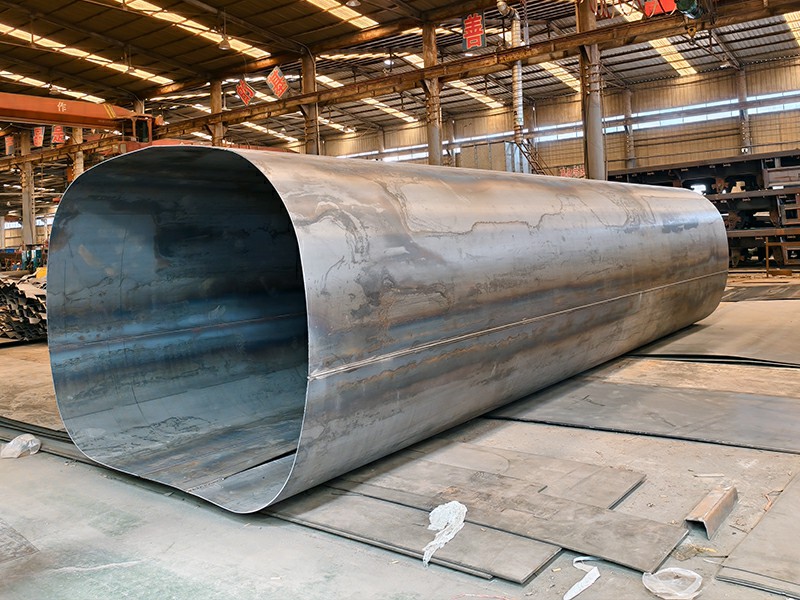
A semi-trailer's structural performance depends on more than the steel grade. Material selection, plate dimensions, beam design, reinforcement layout and manufacturing details all need to work together.
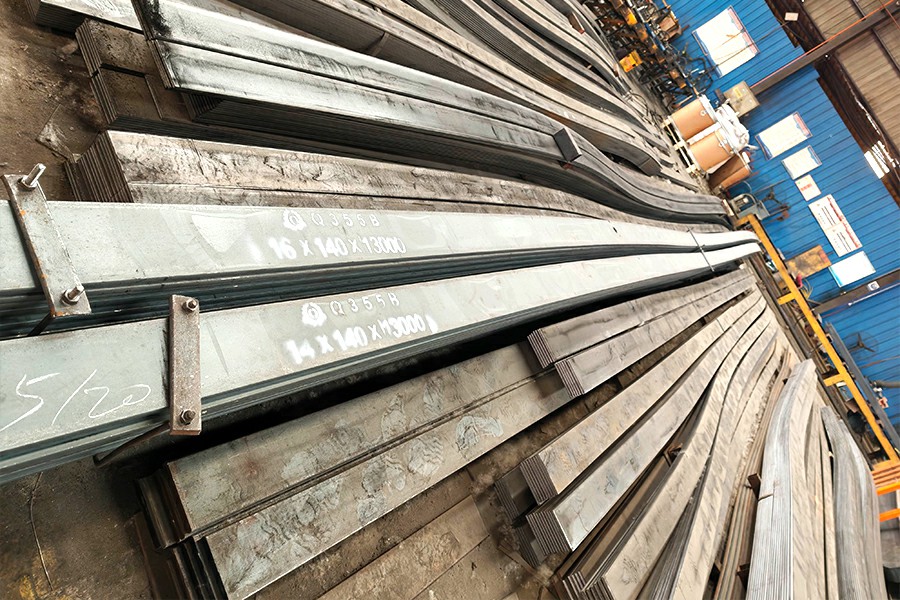
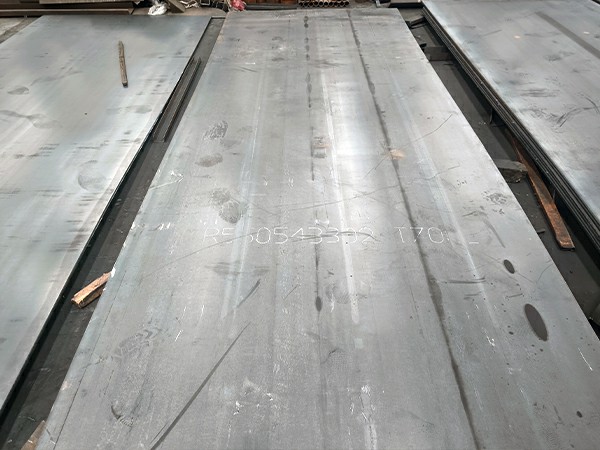
Q355B is the primary structural steel used in RUCKMAN trailer manufacturing. T700 is also used for selected applications according to the product design and project requirements.
MATERIAL SELECTION
Different trailer applications place different demands on the frame. Material selection should consider the load, cargo, road conditions, operating environment and required service life — not simply choose the highest available steel grade.
01
Consider rated payload, load distribution and concentrated loading points.
02
Cargo dimensions, weight distribution and loading or unloading methods affect structural requirements.
03
Road surface, gradients, turning conditions and operating routes should inform the design.
04
Moisture, dust, temperature and exposure to corrosive materials may affect material and coating choices.
05
Local repair capability, service access and parts availability can influence practical design decisions.
06
Applicable regulations, inspection requirements and expected working life should be considered together.
STEEL GRADES
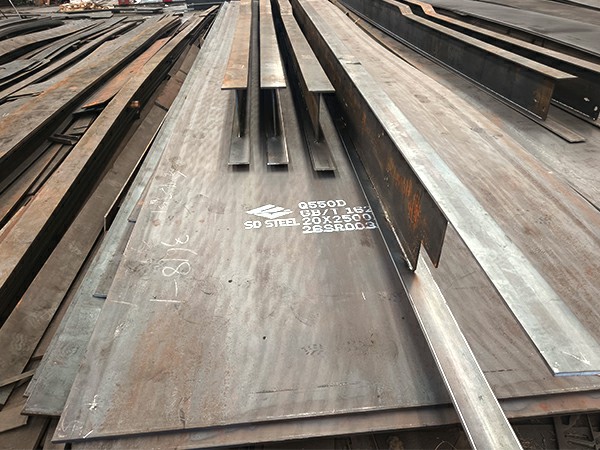
Q355B is the primary structural steel used in RUCKMAN trailers. Q550D and T700 are also used for selected applications, according to the required structure and product specification.
Each steel grade offers a different balance of strength, weight, fabrication requirements and operating suitability.
Advantages
• Balanced strength and toughness for a wide range of trailer structures.
• Familiar fabrication and welding practices when the correct procedures are followed.
• A practical, widely used structural steel option for general-purpose trailer applications.
Design considerations
• Compared with higher-strength steel solutions, a design targeting the same structural objective may require larger or thicker sections, depending on the engineering design.
• As a steel material, it needs suitable surface protection and maintenance against corrosion.
• It allows convenient repair work and imposes low requirements on welding techniques.
Advantages
• A high-strength material can provide opportunities to optimize member dimensions and reduce structural weight when the complete design is re-engineered for the specified steel.
• Weight optimization may help increase payload potential where vehicle gross-weight limits and operating regulations allow.
Design considerations
• Welding, cutting and forming parameters need to match the exact steel grade, thickness and supplier requirements.
• Material cost and process control requirements may be higher than for conventional structural steel.
• Higher nominal strength alone does not guarantee better fatigue life or make a trailer suitable for every rough-road or overload condition.
APPLICATION CONDITIONS
A trailer designed for container transport may have different structural priorities from a low-bed trailer carrying heavy equipment. These factors help define the required configuration.
Rated load and load distribution.
Dimensions, contact points and loading method.
Paved roads, rough routes, gradients and turns.
Corrosion exposure, dust and climate.
Local service resources and repair conditions.
Balance structural requirements and tare weight.
Applicable road regulations and project specifications.
Expected duty cycle and long-term operating demands.
Q355B IN OUR TRAILERS
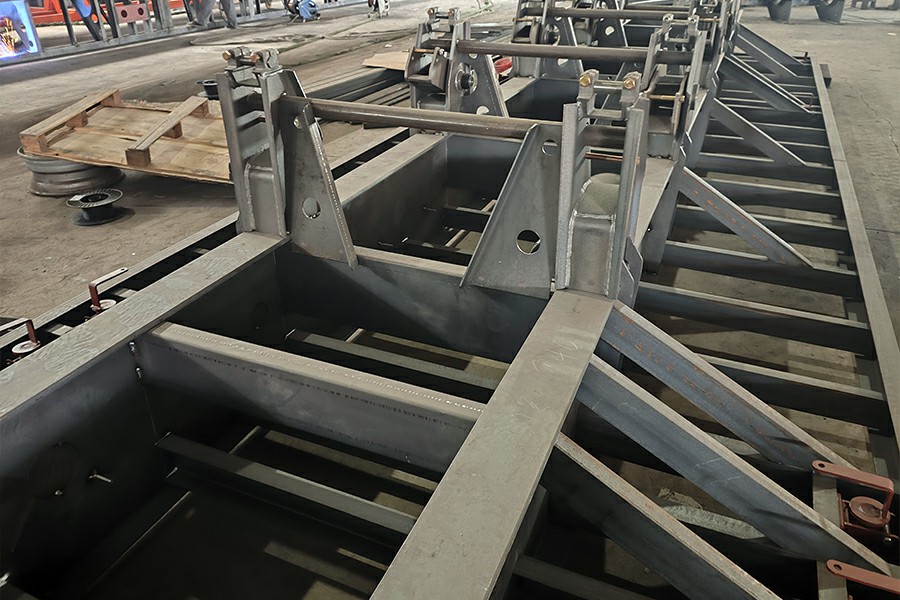
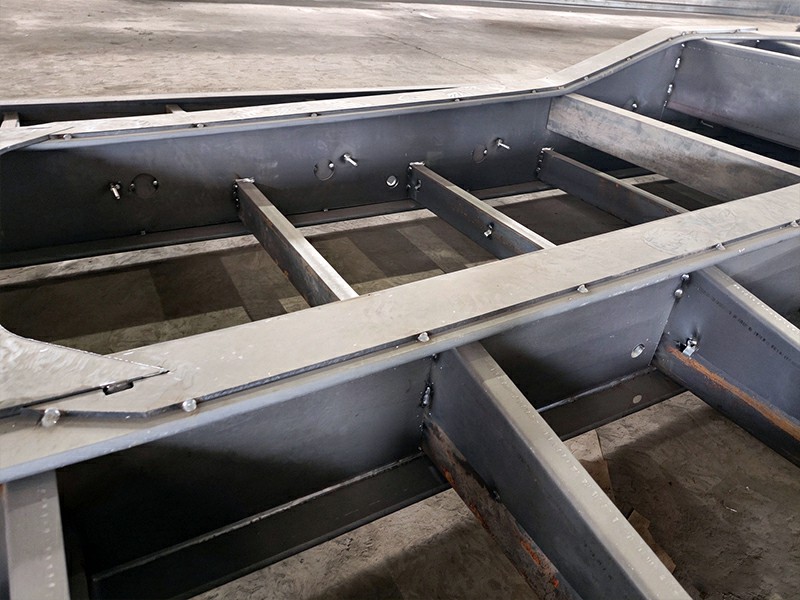
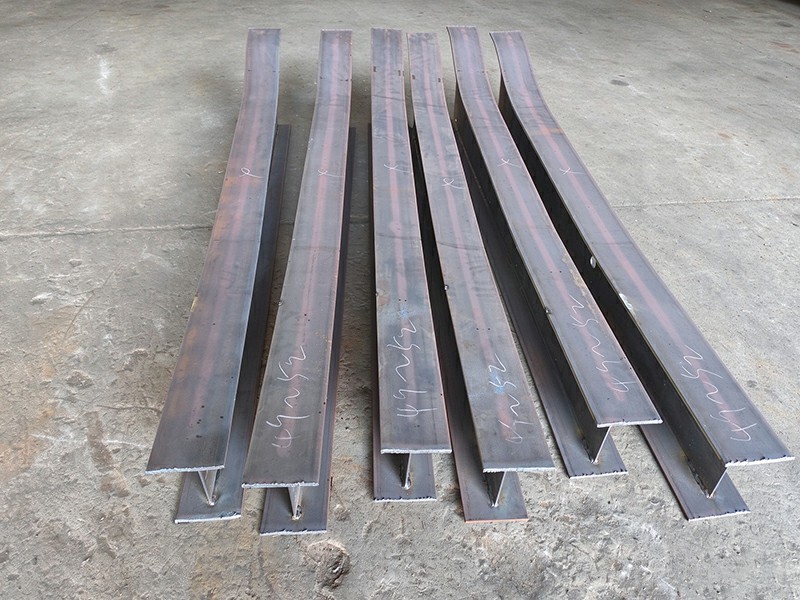
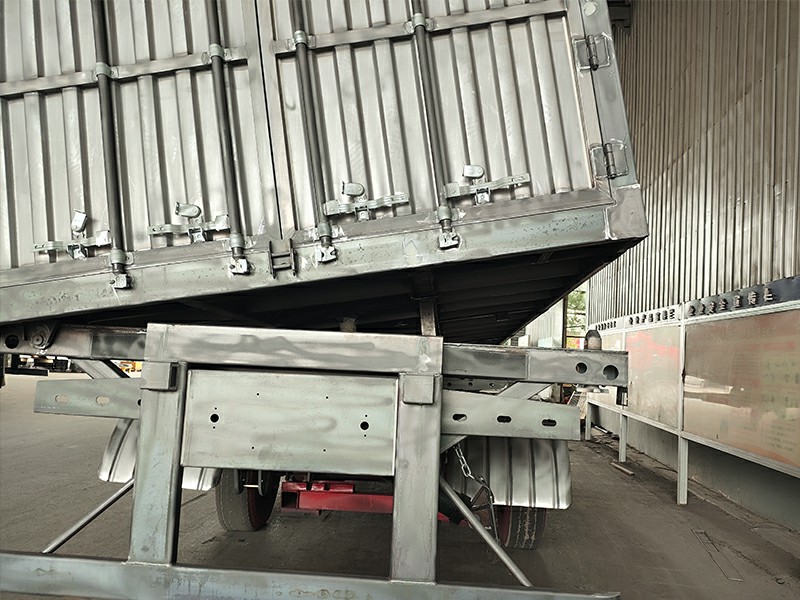
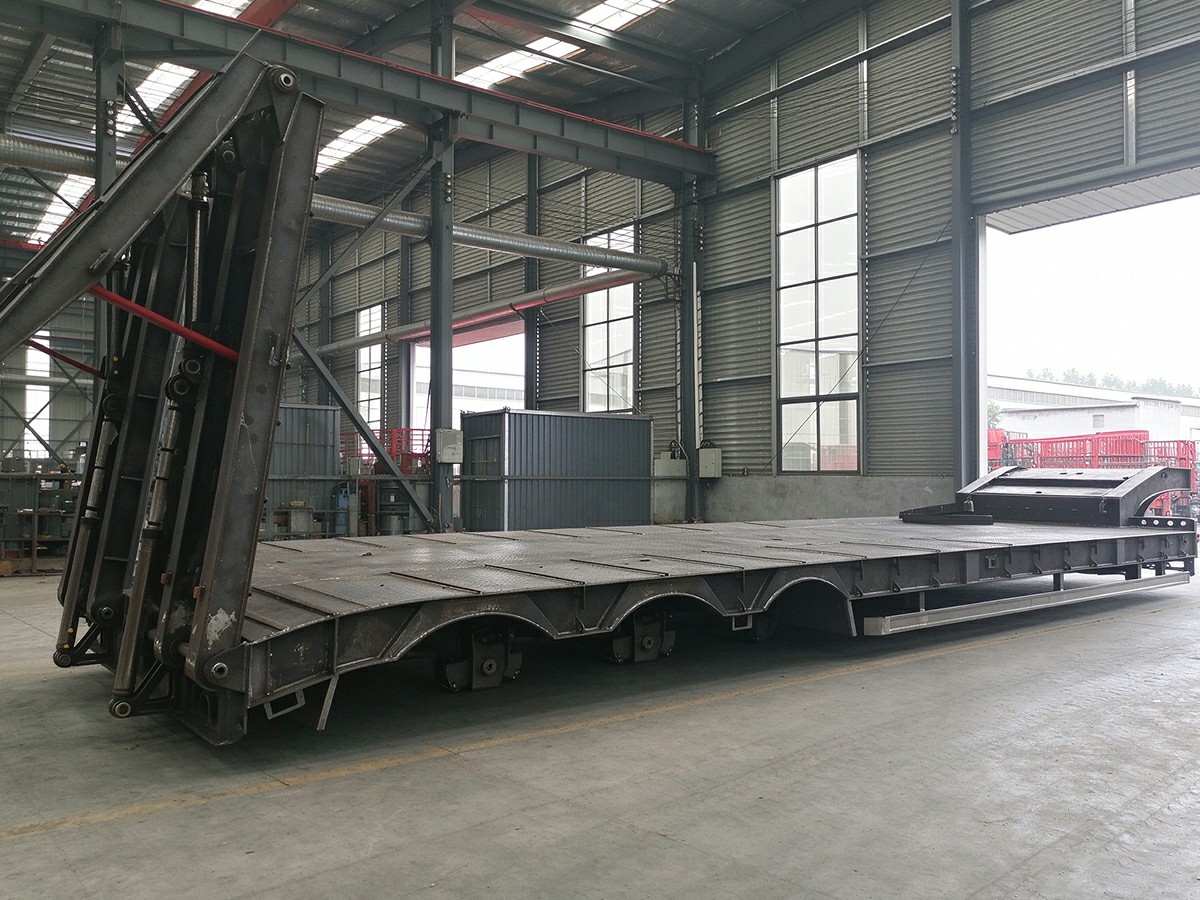
Q355B is the principal structural steel currently used across several RUCKMAN trailer ranges. It is used in main-beam structures for flatbed, container skeleton, low-bed and dump trailer applications.
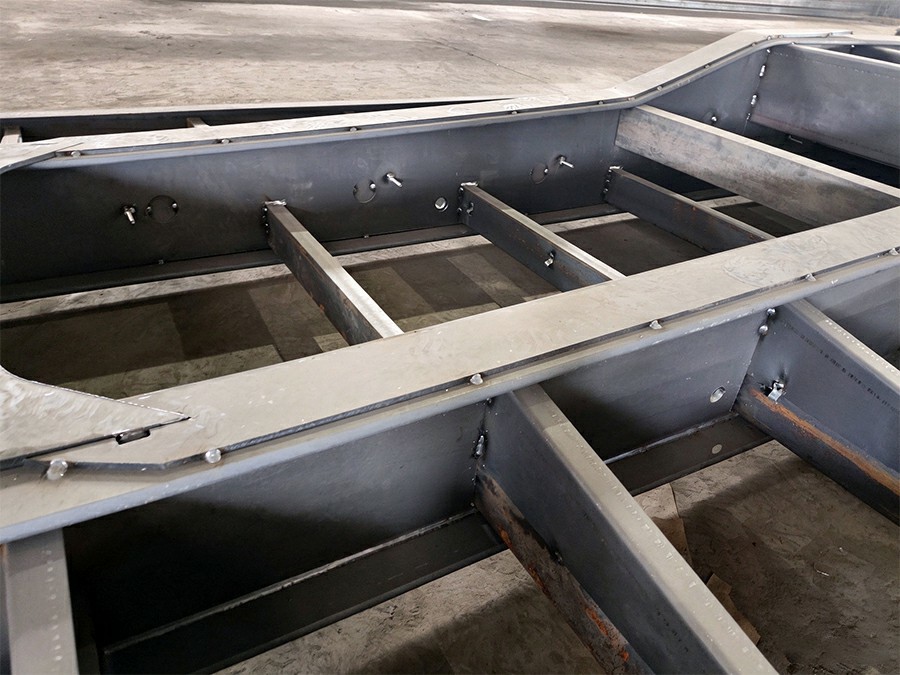
The specific beam section, plate thickness, reinforcement arrangement and cross-member layout are determined by the trailer model, load requirements and customer specifications. A material grade should always be considered together with the complete structural design.
STRUCTURAL DESIGN
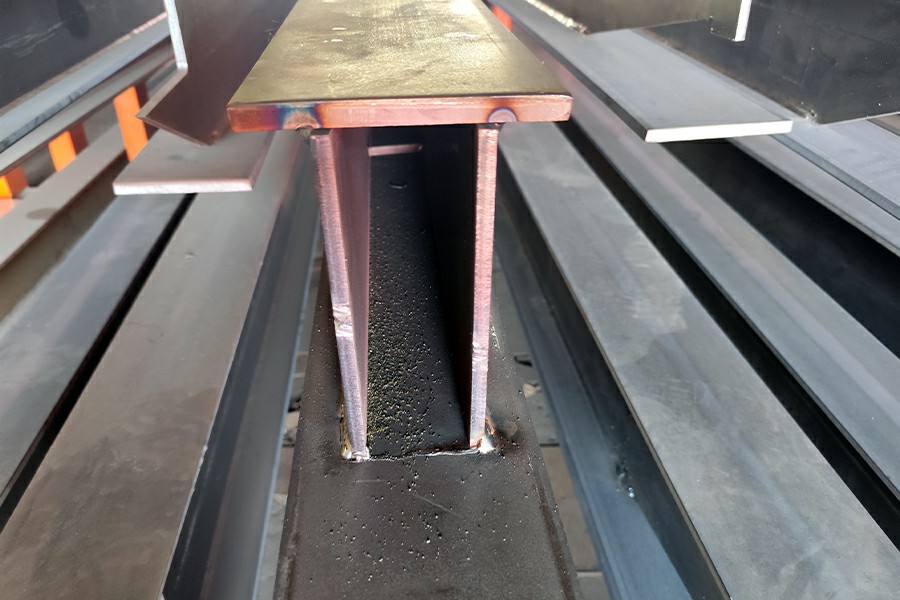
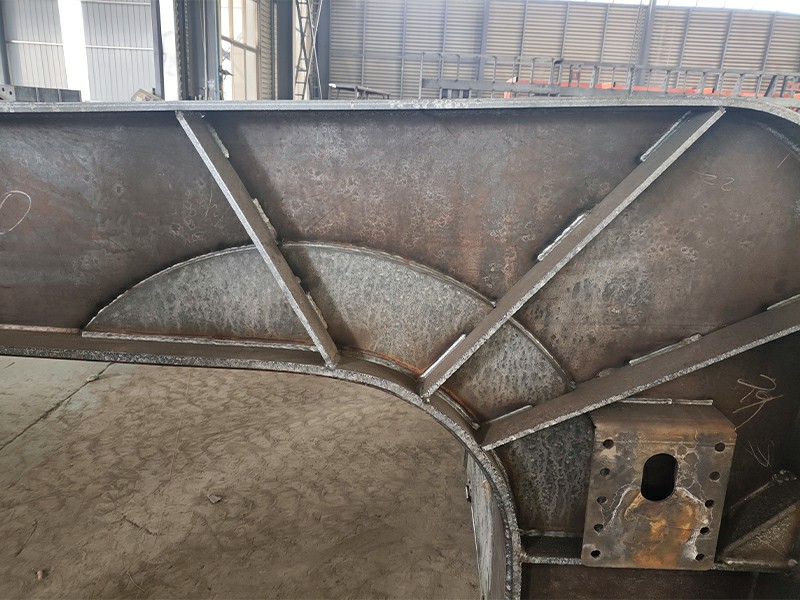
Trailer performance also depends on the shape and dimensions of structural members, reinforcement layout, cross-member spacing, connections and load paths.
MATERIAL CONTROL
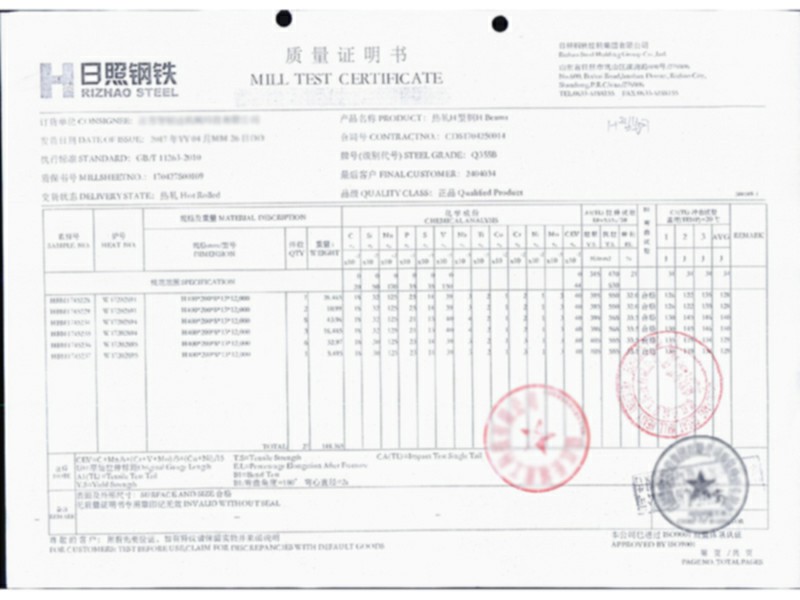
Material control should connect the specified grade and dimensions with identification records, incoming checks and the documents available for the relevant order.
STEP 01
Confirm grade, dimensions and order requirements.
STEP 02
Check the available labels and batch information.
STEP 03
Review material condition and specified dimensions.
STEP 04
Maintain the agreed specifications through fabrication.
Material selection is one part of trailer quality. Explore our broader quality approach, manufacturing processes, inspection and documentation.
Explore Our Quality Standards ➢MATERIAL OPTIONS
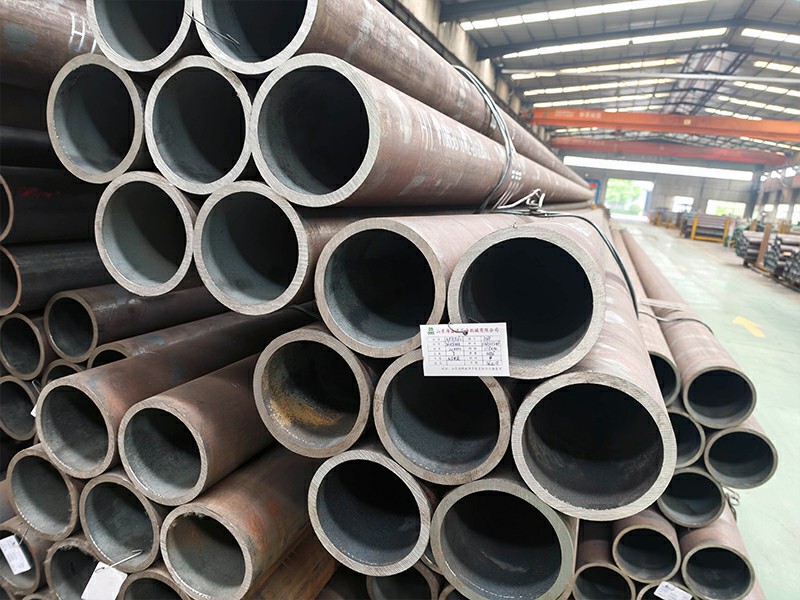
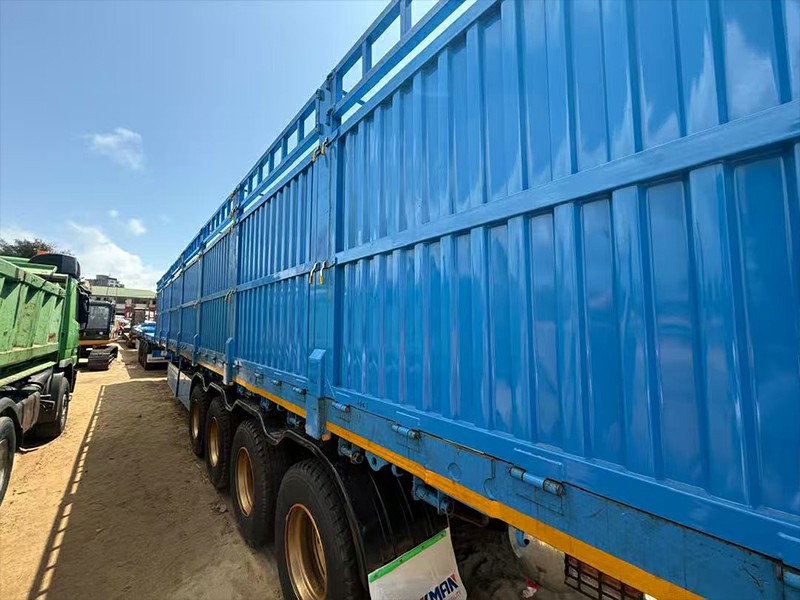
Different trailer bodies and specialist applications may call for material options beyond the main chassis steel. Selection depends on cargo, corrosion exposure, weight targets and design requirements.
FIELD APPLICATION
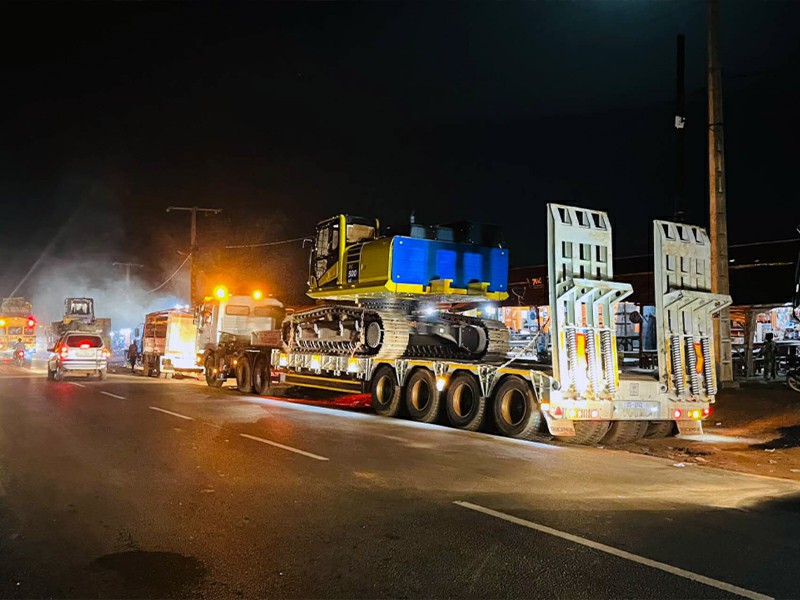
Customer project footage and field photos can illustrate how different trailer configurations are used for actual transport tasks.
TECHNICAL FAQ
Q355B is the primary structural steel used in several RUCKMAN trailer ranges, including flatbed, container skeleton, low-bed and dump trailer applications. Exact material specifications depend on the model and order requirements.
Q355B offers a practical balance of strength, toughness and fabrication familiarity for many trailer structures. It is a common structural steel choice, although weight, corrosion protection and the required section dimensions still need to be considered in the design.
A certified high-strength T700 specification may create opportunities for lighter structural members when the trailer structure is engineered for that material. However, welding, cutting and forming controls must follow the exact grade and supplier requirements. The T700 designation and its mechanical properties should be checked against the material certificate.
No. Trailer performance depends on the complete structural design, including beam geometry, plate dimensions, reinforcement, connections, welding, load distribution and manufacturing quality, as well as the material properties.
Yes. Q550D is also used by the factory for selected applications. The specific trailer models and structural locations should be confirmed against the required configuration.
Relevant material documentation can be discussed according to the product specification, order requirements and available supplier records. Please confirm the required documents when requesting a quotation.
LET'S DISCUSS YOUR REQUIREMENTS
Share your cargo details, payload, operating routes and technical requirements. Our team can help you discuss a suitable trailer configuration and material specification.

Our Target: Make Customers Satisfied.
Our Wishes: To Be World Class Enterprise.
Our Responsibility: Help Customer Achieve Biggest Value, Make Colleague Biggest Dream Come True.